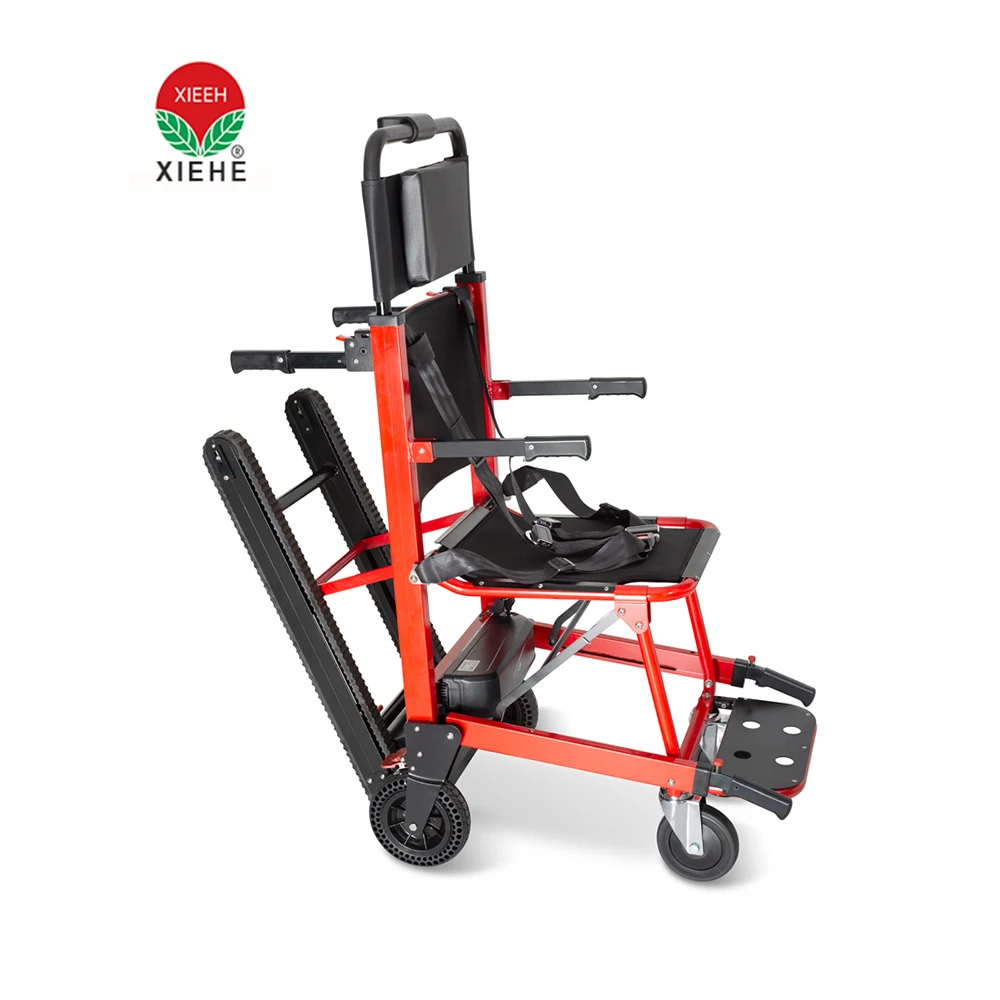
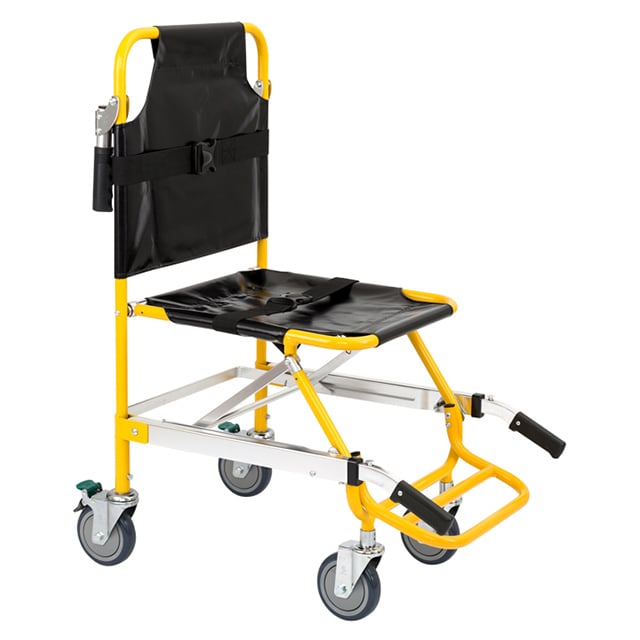
Electric stair wheelchairs offer an innovative solution for individuals with mobility challenges, enabling them to navigate stairs and other obstacles with ease. As a purchasing manager or distributor, you may have several concerns, including specifications, materials, and compatibility with existing equipment. This article aims to guide you in selecting the right stair climbing wheelchair for your needs, understanding key specifications, the materials used in manufacturing, and common operational issues along with their solutions.
When selecting an XIEHE MEDICAL electric stair wheelchair, consider the specific requirements of your target users. Key factors include weight capacity, battery life, and dimensions. It is essential to evaluate the wheelchair's maneuverability, especially if it will be used in tight spaces or on narrow staircases.
Moreover, assess the ease of operation; intuitive controls are crucial for users who may have limited dexterity. Pay close attention to the emergency stair wheelchair construction and design, as these aspects influence its durability and comfort. As a manufacturer with in-depth experience in medical equipment, we recommend obtaining a sample to evaluate its usability before making a bulk purchase.
When sourcing XIEHE MEDICAL electric stair wheelchairs, several specifications should be prioritized:
Weight Capacity: Ensure the wheelchair can support a range of user weights, typically between 250 to 400 pounds. This affects both safety and usability.
Battery Life: A long-lasting battery is critical for mobility devices. Look for models that offer a minimum range of 15-20 miles on a single charge, ensuring the wheelchair can be used throughout the day without frequent recharging.
Dimensions: Evaluate the width and height of the wheelchair to confirm it fits through doorways and can be stored conveniently.
Material: The frame material, often aluminum or steel, impacts the wheelchair's weight and durability. Lightweight materials are preferred for ease of transport.
Safety Features: Verify the presence of safety features, such as anti-tip mechanisms and emergency braking systems, which are vital for user safety.
Understanding these specifications will empower you to make informed decisions and ensure the product aligns with user needs.
The materials used in electric stair wheelchairs significantly influence their performance, durability, and user comfort. Most commonly, manufacturers use lightweight aluminum for the frame, which provides strength without adding excess weight. This is particularly important for users who require assistance in lifting or transporting the wheelchair.
The seating and upholstery materials should be breathable and easy to clean, as this enhances comfort and hygiene. High-density foam padding is often utilized to provide better support during prolonged use.
Furthermore, consider the battery casing, which should be made from robust, impact-resistant materials to protect the battery during operation. As a manufacturer with ISO13485 certification, we ensure that all materials meet stringent quality standards, providing peace of mind regarding product safety and reliability.
When procuring electric stair wheelchairs, consider following a structured approach:
Define Requirements: Assess end-user needs, including weight capacity, user environment, and specific features.
Research Suppliers: Look for manufacturers with certifications such as TUV, CE, and FDA approval. These certifications ensure compliance with safety and quality standards.
Request Samples: Before committing to a large order, obtain samples to test performance and user experience.
Evaluate Proposals: Compare quotes from different suppliers, considering factors like lead time, minimum order quantity (MOQ), and customization options.
Quality Inspection: Implement a quality control process to evaluate the first batch of products. This may include dimensional checks, functionality tests, and visual inspections.
By following this approach, you can streamline your procurement process and ensure that the stair climbing wheelchair you select meet the highest standards.
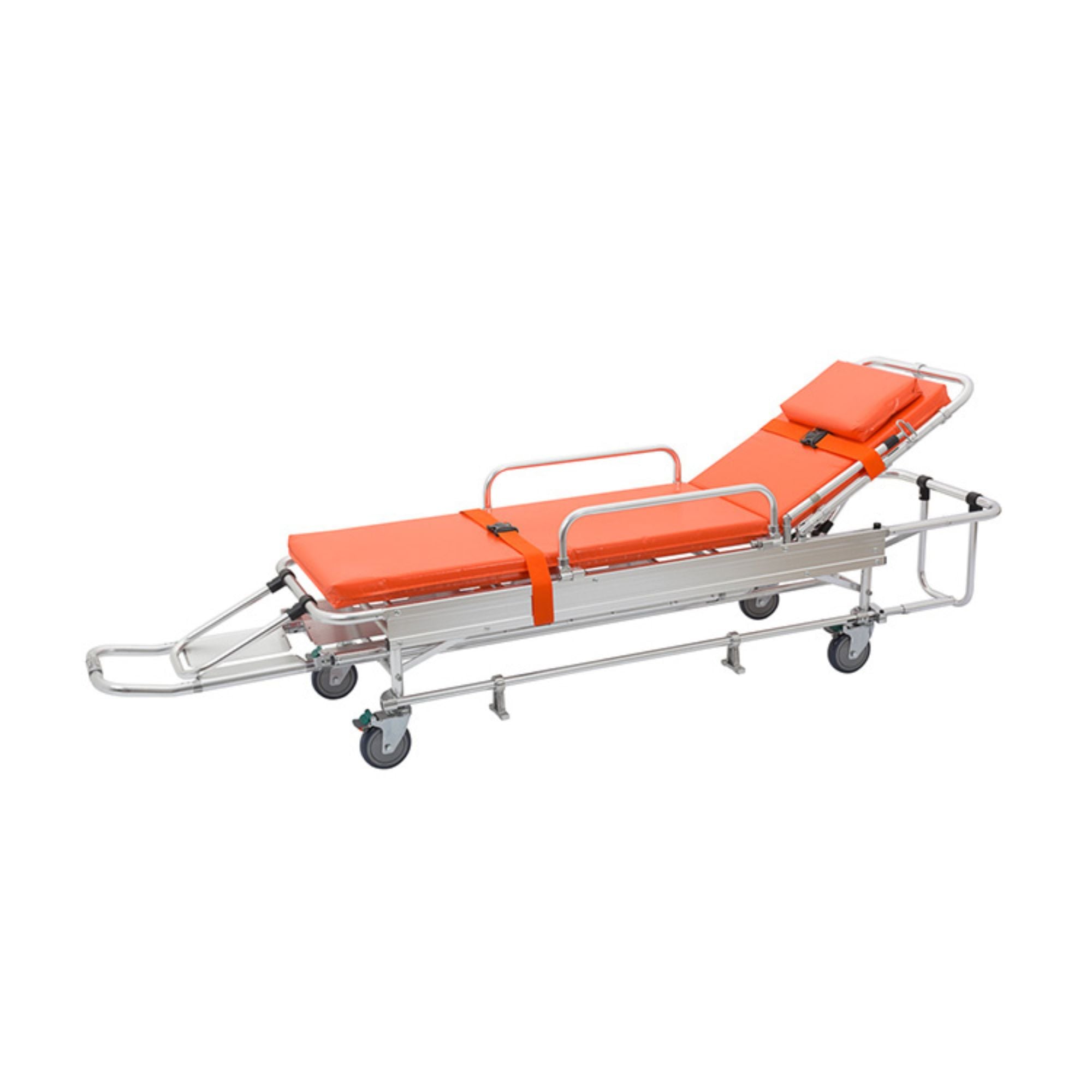
As professional manufacturer medical equipment, Xiehe Medical Apparatus Instruments provides high-quality products and specialized services. strictly implement ISO13485 quality control system, and all our products certified by TUV, CE, FDA, many more. have Adjustable bed for patients team that can respond quickly the demands of customers supply high-quality and stable products. When you need an ambulance stretcher or folding stretcher furniture for hospitals funeral items, Xiehe Medical Equipment has the answer.
Xiehe Medical Apparatus Instruments continuously involved cutting-edge R D and dedicated to providing competitive product selling points. Patents intellectual property rights are protected medical stretchers, products first aid such as furniture in hospitals, as well as funeral products. products are designed fit the modern trends meet the requirements our customers. They are well received by both domestic and Ambulance scoop stretcher customers.
Xiehe Medical Apparatus Instruments Bed hospital table to globalization marketing sales. Over the past 10 years of work and the support of partners, now have more than 30 distributors across the world. products are available over 120 countries. focus on creating long-term partnerships with integrators as well as distributors, in order build and build the future with them.
Hehe Medical Equipment prioritizes Ambulance scoop stretcher satisfaction and strives meet the demands of customers with excellence reliability. are able offer our clients personalized and responsive service due to the dedication our employees, as well as the collaborative technology we utilize. goal is to establish long-term, solid and mutually beneficial connection with our clients, and provide them with top-quality products and services.
Despite their advantages, XIEHE MEDICAL electric stair wheelchairs can encounter several common issues. Understanding these can help you address them effectively:
Battery Life Issues: Users may experience reduced battery performance over time. Ensure regular maintenance checks are performed, and consider investing in spare batteries for prolonged usage.
Mechanical Failures: Components may wear out, including motors and gears. It's advisable to purchase from manufacturers that offer warranties and readily available replacement parts.
Control Malfunctions: If the controls become unresponsive, check for loose connections or software issues. Regularly inspect wiring and connections to prevent operational failures.
Weight Distribution Problems: Improper weight distribution can cause the wheelchair to tip. Training users on proper weight shifting can mitigate this risk.
By being proactive about these common issues, you can ensure a smoother operation and greater satisfaction for users of electric stair wheelchairs.
In summary, selecting the right electric stair wheelchair involves careful consideration of specifications and materials, as well as a structured procurement approach. By addressing common operational issues and understanding user needs, you can make informed decisions that enhance mobility solutions for individuals with mobility challenges.

Zhangjiagang Xiehe Medical Apparatus & Instruments Co.,Ltd
Professional manufacturer of first aid products with 20 years of export experience.covering ambulance stretcher,folding stretcher,spine board,etc.
7 Xinzha Middle Road, Yangshe Town, Jiangsu, 215600 P.R.C.
Copyright © Zhangjiagang Xiehe Medical Apparatus & Instruments Co.,Ltd. All Rights Reserved - Privacy Policy

 EN
 AR
 CS
 DA
 NL
 FI
 FR
 DE
 EL
 HI
 IT
 JA
 KO
 NO
 PL
 PT
 RU
 ES
 SV
 TL
 ID
 LT
 SK
 VI
 TR
 FA
 GA
 IS
 HY
 EU
 KA
 HT
 BN
 LO
 LA
 MN
 NE
 ZU
 MY
 KK