
 EN
EN
 AR
AR
 CS
CS
 DA
DA
 NL
NL
 FI
FI
 FR
FR
 DE
DE
 EL
EL
 HI
HI
 IT
IT
 JA
JA
 KO
KO
 NO
NO
 PL
PL
 PT
PT
 RU
RU
 ES
ES
 SV
SV
 TL
TL
 ID
ID
 LT
LT
 SK
SK
 VI
VI
 TR
TR
 FA
FA
 GA
GA
 IS
IS
 HY
HY
 EU
EU
 KA
KA
 HT
HT
 BN
BN
 LO
LO
 LA
LA
 MN
MN
 NE
NE
 ZU
ZU
 MY
MY
 KK
KK
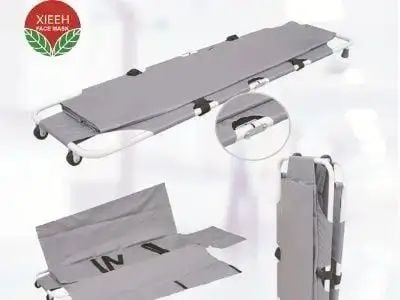
When purchasing medical trauma spinal boards, it’s crucial to understand the key specifications that can significantly impact their effectiveness in emergency situations. These boards are essential for stabilizing patients with suspected spinal injuries, and the right choice can enhance patient safety and facilitate effective emergency response. This article will guide purchasing managers and healthcare professionals through the critical specifications to consider, potential installation challenges, common issues encountered, practical application scenarios, and essential safety features to assess when selecting a medical trauma spinal board
Key Specifications to Consider When Choosing a Medical Trauma Spinal Board
The selection of a medical trauma spinal board hinges on several key specifications that determine its performance, safety, and usability. Here are the primary factors to evaluate
Material Composition: Spinal boards are typically made from high-density polyethylene or similar materials. The choice of material affects durability, weight, and ease of cleaning. A lightweight board can improve transport efficiency, while a robust material ensures longevity
Dimensions and Weight Capacity: Ensure that the spinal board can accommodate a range of patient sizes. The standard length is usually around 72 inches, but boards may vary in width and weight capacity. Confirm that the board can support the maximum weight of potential patients without compromising safety
Design Features: Look for boards with built-in head Immobilizers and straps for securing the patient. These features help minimize movement and provide additional safety during transpoRT
Ease of Use: Consider how the board is handled in emergency situations. Features like grab handles, a lightweight design, and compatibility with stretchers can facilitate quicker responses
Certification and Compliance: Ensure that the half spine board meets relevant medical standards, such as TUV, CE, and FDA certifications. This guarantees that the product has undergone rigorous testing for safety and effectiveness
Customization Options: Depending on specific needs, some manufacturers, like XIEHE, offer customization services for spinal boards, allowing you to tailor dimensions and features according to operational requirements
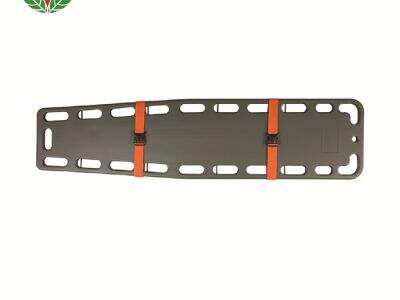
Installation Guidance for Medical Trauma Spinal Boards in Emergency Settings
Proper installation of medical trauma spinal boards is essential for effective emergency response. Here are key considerations for installation
Training and Familiarization: Healthcare providers should be trained in the use of spinal boards, including how to properly secure patients. Regular drills can help staff become familiar with procedures to ensure swift and effective use
Storage and Accessibility: Spinal boards should be stored in easily accessible locations within emergency vehicles and medical facilities. Consider using wall mounts or designated storage compartments to keep them ready for immediate use
Integration with Other Equipment: Ensure that the spinal board can be easily integrated with other emergency equipment, such as stretchers and ambulances, to facilitate seamless patient transfer
Inspection Protocols: Regularly inspect spinal boards for signs of wear or damage. This includes checking straps, Immobilizers, and structural integrity to ensure they are ready for use when needed
Common Problems with Spinal Boards and Effective Solutions
While spinal boards are essential tools in emergency response, they can present challenges. Here are common issues and suggested solutions
Slippage During Transport: One common problem is patient slippage during transport. To mitigate this, ensure that the board is equipped with secure straps and Immobilizers. Additionally, using non-slip surfaces on the board can reduce movemen
Weight and Maneuverability: Some boards can be heavy, making them difficult to maneuver. Opt for lightweight materials without compromising strength. Training staff in proper lifting techniques can also improve handlin
Cleaning and Maintenance: Spinal boards must be cleaned thoroughly after each use to prevent cross-contamination. Choose boards with smooth surfaces that are easy to sanitize and check that cleaning protocols are followed diligentl
Patient Comfort: While the primary focus is on spinal immobilization, consider the comfort of the patient. Boards with padded surfaces can help reduce discomfort during transport, which is particularly important in prolonged situation
Scenarios for Medical Trauma Spinal Boards in Healthcare
Medical trauma spinal boards are used in various healthcare scenarios. Understanding these applications can aid in making informed purchasing decisions
Emergency Medical Services (EMS): Spinal boards are critical in EMS for stabilizing patients at the scene of an accident or injury. Their design allows for quick application and secure transport to hospitals
Hospital Emergency Rooms: In ER settings, spinal boards are used to quickly assess and stabilize patients with potential spinal injuries. They facilitate rapid imaging and treatment while maintaining patient safety
Sporting Events: First responders at sporting events often use spinal boards to immobilize injured athletes before transport. Boards need to be lightweight and easy to deploy in dynamic environments
Military and Tactical Applications: In military settings, spinal boards must be robust and versatile, suitable for use in various terrains. They should also allow for rapid deployment to minimize the time between injury and treatmenT
Essential Features to Assess in Medical Trauma Spinal Boards for Safety
Safety is paramount when selecting medical trauma spinal boards. Here are essential features to assess
Head Immobilization: A reliable head immobilization system is critical for preventing additional injury during transport. Boards should come with adjustable head straps or devices that secure the head without excessive pressure
-
Strength and Durability: Assess the board's ability to withstand the rigors of emergency use. Look for boards that can handle significant weight without bending or breaking, ensuring they can support patients safely
Visibility: Brightly colored boards can enhance visibility in low-light conditions, making them easier to locate in emergencies. Consider models with reflective strips for added safety during nighttime operations
Compatibility with Rescue Equipment: Ensure that the spinal board is compatible with other rescue equipment, such as lift devices and stretchers. This compatibility facilitates a more efficient and safe transfer process
User-Friendly Features: Features such as quick-release straps and ergonomic handles can significantly improve usability in high-stress situations. Boards designed for intuitive use can help reduce training time for emergency responders
By considering these specifications and features, purchasing managers and healthcare professionals can make informed decisions when selecting medical trauma spinal boards. The right spencer spine board can enhance patient safety and improve the efficiency of emergency medical services, ultimately leading to better patient outcomes
Table of Contents
- Key Specifications to Consider When Choosing a Medical Trauma Spinal Board
- Installation Guidance for Medical Trauma Spinal Boards in Emergency Settings
- Common Problems with Spinal Boards and Effective Solutions
- Scenarios for Medical Trauma Spinal Boards in Healthcare
- Essential Features to Assess in Medical Trauma Spinal Boards for Safety
