
 EN
EN
 AR
AR
 CS
CS
 DA
DA
 NL
NL
 FI
FI
 FR
FR
 DE
DE
 EL
EL
 HI
HI
 IT
IT
 JA
JA
 KO
KO
 NO
NO
 PL
PL
 PT
PT
 RU
RU
 ES
ES
 SV
SV
 TL
TL
 ID
ID
 LT
LT
 SK
SK
 VI
VI
 TR
TR
 FA
FA
 GA
GA
 IS
IS
 HY
HY
 EU
EU
 KA
KA
 HT
HT
 BN
BN
 LO
LO
 LA
LA
 MN
MN
 NE
NE
 ZU
ZU
 MY
MY
 KK
KK
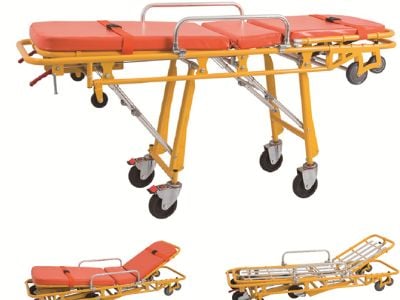
When it comes to hospital emergency carts, choosing between stainless steel and plastic is crucial for ensuring functionality, durability, and compliance with healthcare standards. This Material Comparison: Stainless Steel vs. Plastic Hospital Emergency Carts article will help buyers, including purchasing managers and healthcare professionals, understand the differences, advantages, and applications of each material. By exploring key specifications and considerations, this guide aims to assist B2B buyers in making an informed purchasing decision.
How to Choose Between Stainless Steel and Plastic Emergency Carts
Selecting the right material for hospital emergency carts hinges on several factors, including durability, maintenance, ease of cleaning, and weight. Stainless steel carts are robust and often preferred for their high resistance to corrosion, making them ideal for environments where sanitation is paramount. They can withstand harsh cleaning agents and are less likely to harbor bacteria, a critical consideration in healthcare settings.
On the other hand, plastic carts offer a lighter alternative, which can be beneficial for quick maneuverability during emergencies. They often come in varied colors, allowing for easy identification and organization. However, the choice between stainless steel and plastic should also consider the intended use of the cart, frequency of use, and specific healthcare regulations. For instance, if the cart is expected to endure heavy loads or rough handling, stainless steel may be the superior choice.
Key Specifications for Stainless Steel and Plastic Hospital Carts
Understanding the specifications of stainless steel and plastic hospital carts is vital for B2B buyers. Key specifications include:
Material Thickness: Stainless steel carts typically have a thickness of 16-18 gauge, providing sturdiness and resistance to bending. Plastic carts may vary in thickness but should be robust enough to support medical equipment without warping.
Weight Capacity: Stainless steel carts generally support heavier loads, essential for transporting multiple medical supplies. Plastic carts, though lighter, often have lower weight capacities, which should be evaluated based on intended use.
Dimensions: Cart dimensions affect maneuverability in tight healthcare environments. Buyers should consider standard sizes and ensure they fit through doorways and elevators in their facilities.
Finish and Coating: Stainless steel can be polished for a smooth finish, while plastic can be textured for enhanced grip. Both finishes influence cleaning ease and material longevity.
Mobility Features: Examine wheel quality and locking mechanisms. Stainless steel hospital emergency carts may have heavy-duty wheels for stability, while plastic carts often include swiveling wheels for agile movement.
Stainless Steel vs Plastic Emergency Carts
Stainless steel and plastic emergency carts each have distinct advantages and disadvantages that should be weighed in the decision-making process.
Advantages of Stainless Steel Carts:
Durability: Stainless steel is highly resistant to impact and scratching, ensuring longevity even in high-stress environments.
Hygiene: The non-porous surface inhibits bacterial growth, making it a safer option for patient care.
Maintenance: Easy to clean and disinfect, stainless steel medical emergency cart can handle rigorous hospital cleaning protocols.
Disadvantages of Stainless Steel Carts:
Weight: Heavier than plastic, which may hinder rapid movement in urgent scenarios.
Cost: Generally more expensive than plastic carts, impacting budget considerations.
Advantages of Plastic Carts:
Lightweight: Easier to maneuver and transport, especially in emergency situations.
Cost-Effective: Typically less expensive, making them a budget-friendly option for bulk purchases.
Color Variability: Available in various colors, facilitating organization and identification.
Disadvantages of Plastic Carts:
Less Durable: May not withstand heavy loads or rough handling as effectively as stainless steel.
Cleaning Limitations: Certain cleaning agents or high temperatures can degrade plastic over time.
Steel vs Plastic
The choice between steel and plastic is also influenced by specific healthcare applications. For example, stainless steel carts are often favored in surgical units where sterilization and durability are paramount, while plastic carts may be sufficient in administrative areas or for lighter transport tasks.
Additionally, consider regulatory compliance and safety certifications when making a choice. Hospitals may have standards that favor stainless steel due to its proven track record in infection control. Understanding these industry standards can guide purchasing decisions and ensure compliance.
Applications of Stainless Steel and Plastic Emergency Carts in Healthcare
Stainless steel and plastic emergency carts serve various functions in healthcare settings, each suited to specific applications:
Stainless Steel Carts: Ideal for transporting surgical instruments, medications, and emergency supplies. Their durability and hygienic properties make them suitable for operating rooms and intensive care units, where infection control is critical.
Plastic Carts: Commonly used for distributing supplies in non-critical areas, such as administrative offices or waiting rooms. Their lightweight nature allows for easy movement and organization of patient documents, forms, or non-medical supplies.
In emergency response scenarios, the choice of material can impact the effectiveness of the response. Stainless steel carts are robust enough to handle the demands of emergency care, while plastic hospital emergency carts may be deployed for rapid supply distribution.
When preparing to request a quotation or engage with a supplier, buyers should keep in mind the specific applications, required specifications, and any customization needs. Essential information may include cart type, model, dimensions, material, quantity, and application requirements. This approach will facilitate a smoother purchasing process and ensure that the chosen cart meets the operational needs of the healthcare facility.
