
 EN
 AR
 CS
 DA
 NL
 FI
 FR
 DE
 EL
 HI
 IT
 JA
 KO
 NO
 PL
 PT
 RU
 ES
 SV
 TL
 ID
 LT
 SK
 VI
 TR
 FA
 GA
 IS
 HY
 EU
 KA
 HT
 BN
 LO
 LA
 MN
 NE
 ZU
 MY
 KK
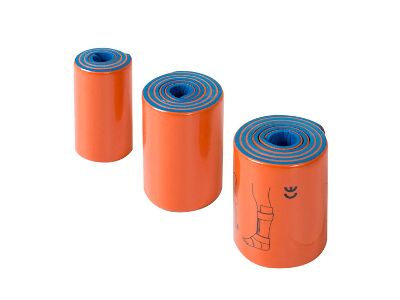
The CE Certified Hand Roll Splint is an important tool in hospitals, which is actually used to provide support and protection for wounds or injuries. In choosing the right hand roll splint, there are some aspects that must be considered by purchasing managers and professionals in the field of health. This practical guide helps buyers think about fit, comfort, and cost when using a CE Certified Hand Roll Splint in busy hospitals. This article aims to help readers understand the main details in choosing the right CE Certified Han Roll Splint for their hospitals, from specific details and materials to common problems and solutions.
Key Specifications to Consider When Selecting Hand Roll Splints
When choosing a CE Certified Hand Roll Splint, it is important to consider the following specifications: Choosing the right size, light weight, and easy wear are key parts of CE Certified Hand Roll Splint selection.
Dimension: The right size is important to ensure that the splint is actually suitable for the specific part of the body that needs to be supported. Having different sizes will help to address the needs of different patients. Material: The material used in the splint has a big effect on its durability and ability to provide support. Hand roll splints are usually made of foam, plastic, or other materials that provide the necessary protection and comfort. Compliance with Medical Standards: Make sure the product is CE Certified Hand Roll Splint to ensure that it follows the safety and quality regulations for medical equipment. Ease of Use: The design of the splint should be easy to put on and remove, not only for medical staff but also for patients.
Comparing Material Advantages in CE Certified Hand Roll Splints
Different materials are used in making CE Certified Hand Roll Splints, and each one has its own advantages: Material Advantages in CE Certified Hand Roll Splints include lighter weight, good cushioning, durability, cleanability, and comfort. Foam: Foam is light and gives good cushioning, which helps reduce the discomfort of the patient while using the hand suction pump splint. However, it may not be as durable compared to other materials. Plastic: Splints made of plastic are usually more durable and easy to clean. This is really ideal for situations that need a stronger structural support. However, it may be heavier than foam splints. Combination Materials: Using a combination of materials offers flexibility and durability. For example, splints with foam padding and a plastic shell give the best of both comfort and support.
Choosing the right material depends on the specific needs of the patient and the medical situation.
Common Problems with Hand Roll Splints and Their Solutions
There are many common problems can be experienced by users of hand roll splints. These problems can affect fit, comfort, safety, healing, and patient care. Here are some of these and the possible solutions:
Improper Support: If the splint does not give enough support, a more suitable size or design may be needed. Splints is actually important to try different models before mass production. Uncomfortable: Discomfort can be caused by the stair climber hand trolley wrong material or size. In these cases, choosing foam with the right density will help. Breakage or Wear and Tear: Splints made of lower quality material can break more easily. Ensuring that the products are actually CE Certified Hand Roll Splint and have good reviews from other users will help to avoid this.
Cost Factors to Consider When Buying Hand Roll Splints in Bulk
When buying hand roll splints in bulk, many factors affect the price: Cost Factors to Consider also include bulk price breaks, lead time, and service quality. Minimum Order Quantity (MOQ): Suppliers usually have an MOQ that must be met to get a discount on the price. Supplier Reputation: The reputation of the supplier affects the price. Well-known suppliers with a good track record usually have higher prices, but offer higher quality and more reliable service. Customization: Customizing the hand roll splint splint can add to the total cost. Special designs or materials may require an additional fee. Shipping Costs: Shipping costs must be considered, especially if the products are actually from another country. These costs can vary based on the volume and depth of the product.
Applicable Scenarios for CE Certified Hand Roll Splints in Healthcare
CE Certified Hand Roll Splints have different applications in the field of healthcare. These settings show how the splints help in emergency care, rehabilitation, and home care, and support patient safety. Here are some examples:
Emergency Care: In emergency rooms, splints are actually used to give support to injuries on the hand or arm while waiting for a more detailed examination or surgery. Physical Rehabilitation: Splints are actually used for patients undergoing physical therapy to help them in their recovery process. Home Care: For patients who need care at home, hand roll splints provide the necessary support and protection for their wounds.
Table of Contents
- Key Specifications to Consider When Selecting Hand Roll Splints
- Comparing Material Advantages in CE Certified Hand Roll Splints
- Common Problems with Hand Roll Splints and Their Solutions
- Cost Factors to Consider When Buying Hand Roll Splints in Bulk
- Applicable Scenarios for CE Certified Hand Roll Splints in Healthcare
