
 EN
EN
 AR
AR
 CS
CS
 DA
DA
 NL
NL
 FI
FI
 FR
FR
 DE
DE
 EL
EL
 HI
HI
 IT
IT
 JA
JA
 KO
KO
 NO
NO
 PL
PL
 PT
PT
 RU
RU
 ES
ES
 SV
SV
 TL
TL
 ID
ID
 LT
LT
 SK
SK
 VI
VI
 TR
TR
 FA
FA
 GA
GA
 IS
IS
 HY
HY
 EU
EU
 KA
KA
 HT
HT
 BN
BN
 LO
LO
 LA
LA
 MN
MN
 NE
NE
 ZU
ZU
 MY
MY
 KK
KK
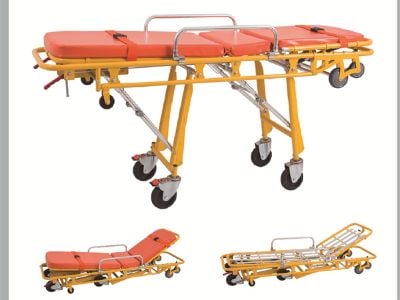
In the healthcare sector, hospital emergency carts play a crucial role in ensuring that medical personnel can respond swiftly and effectively to emergencies. This article explores the core functional requirements for hospital emergency carts under heavy-duty usage, addressing key considerations for B2B buyers, including specifications, sourcing options, and applications. Understanding these aspects will empower purchasing managers and healthcare administrators to make informed decisions that enhance patient care and operational efficiency
How to Choose the Right Emergency Cart for Hospital Needs
Choosing the right hospital emergency carts hinges on several factors that align with a hospital's specific requirements. Start by assessing the intended use of the cart. Heavy-duty emergency carts should be designed to withstand rigorous environments while ensuring easy accessibility to essential medical supplies
Consider the weight capacity; heavy-duty carts typically support a higher load, crucial for accommodating various medical equipment and supplies. Next, evaluate the mobility features—carts should have smooth-rolling casters for quick transport. Additionally, the material is important; stainless steel or high-density plastic options are common due to their durability and ease of cleaning
Customization options are also vital. Many manufacturers, including XIEHE, offer ODM and OEM services, allowing hospitals to tailor carts to their specific needs, such as incorporating specialized compartments or securing features for critical equipment
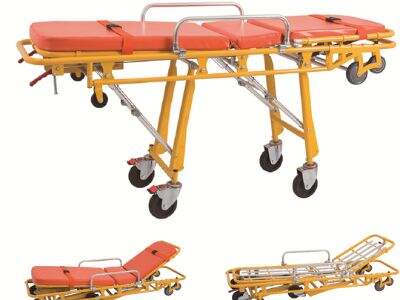
Specifications to Evaluate in Heavy-Duty Emergency Carts
When evaluating specifications for heavy-duty emergency carts, consider the following critical elements
Material Composition: The choice of materials affects durability, weight, and maintenance. Stainless steel is preferred for its strength and disinfect-ability, while high-impact plastics can reduce weight
Weight Capacity: Heavy-duty carts should have a minimum capacity of 300 pounds to accommodate various medical equipment and supplies without compromising stability
Dimensions: Ensure the cart fits through standard doorways and can be easily maneuvered in tight hospital spaces. Consider height and width to ensure it's ergonomic for medical staff
Drawer Configuration: Assess the number and size of drawers. Deeper drawers can accommodate larger items, while smaller drawers are ideal for storing medications and smaller tools
Casters: Look for heavy-duty casters that swivel easily and lock in place. This feature enhances mobility and stability, crucial during emergencies
These specifications not only influence the cart's functionality but also its longevity and performance in high-pressure situations
Where to Source Wholesale Hospital Emergency Carts
Sourcing wholesale hospital hospital emergency carts requires due diligence to ensure quality and reliability. Start by identifying reputable manufacturers with proven experience in medical equipment. XIEHE, for example, has established a strong global presence, exporting to over 120 countries and adhering to rigorous quality standards, including ISO13485 and CE certifications
Consider attending medical trade shows or conferences to connect with suppliers directly. This provides an opportunity to inspect products firsthand and discuss customization capabilities. Additionally, online platforms such as industry-specific marketplaces can facilitate comparisons of different suppliers
It's also wise to request samples before making bulk purchases. This allows for quality evaluation and confirmation that the carts meet your specifications and usage requirements
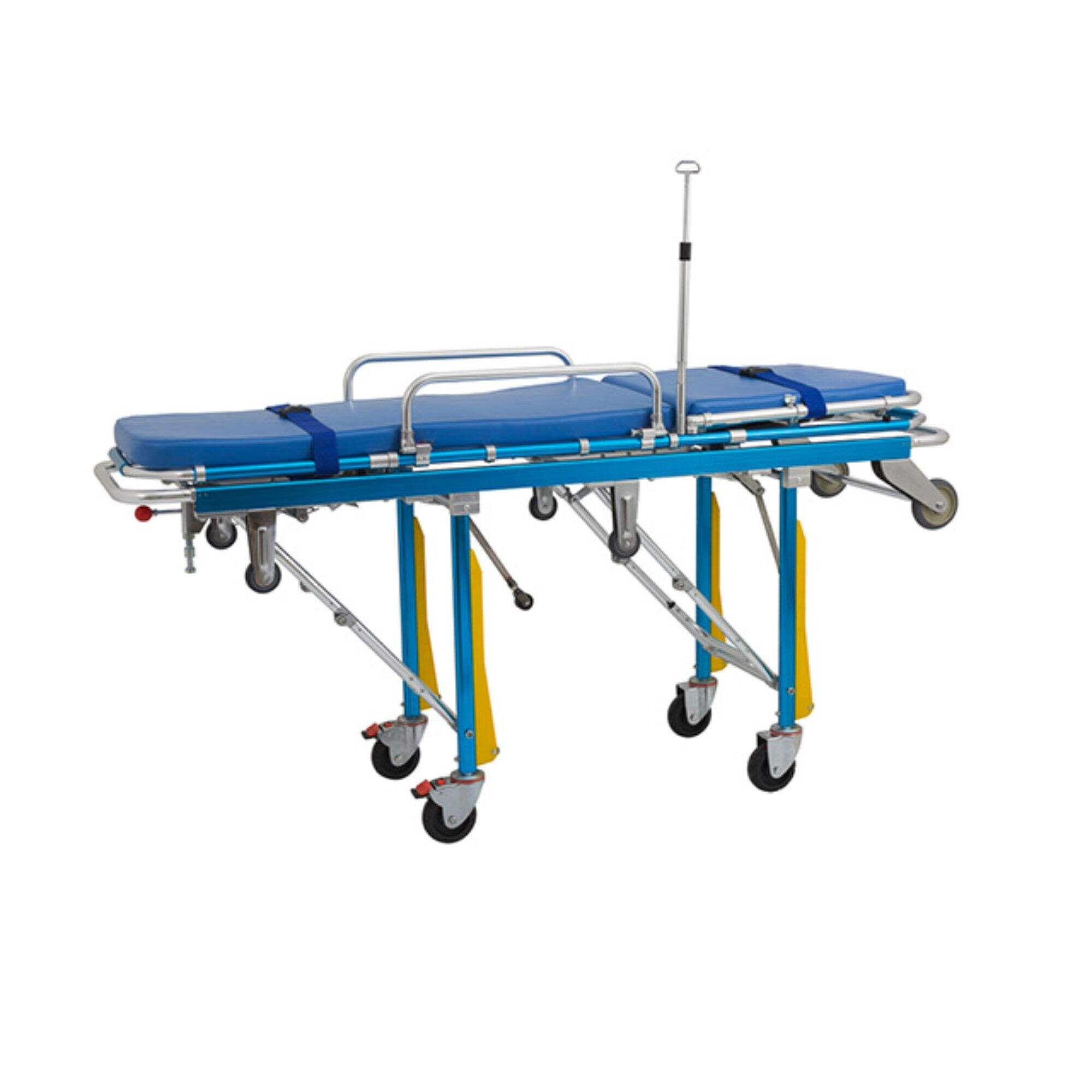
Understanding Cost Factors for Emergency Cart Procurement
When budgeting for emergency carts hospital, several cost factors need consideration
Material Costs: High-quality materials can significantly increase the initial purchase price but may lead to lower long-term maintenance and replacement costs
Customization: Custom features, such as specialized compartments or branding, can add to the initial cost. However, these modifications might enhance functionality and efficiency in hospital settings
Volume Discounts: Purchasing in bulk often yields cost savings. Discuss minimum order quantities (MOQ) with suppliers to optimize procurement costs
Shipping and Handling: Factor in shipping costs, especially for international orders. Understanding lead times and potential customs duties is essential for budgeting
Warranty and After-Sales Support: Evaluate the warranty terms and after-sales support offered by the manufacturer. A robust warranty can save money on repairs or replacements, making it a valuable aspect of the overall cost
By analyzing these factors, purchasing managers can make informed decisions that balance quality and budget constraints effectively
Applications of Emergency Carts in Hospital Settings
Emergency carts are versatile tools in hospital settings, serving multiple applications that enhance patient care
Medical Emergencies: Carts are typically stocked with basic life-saving equipment, including defibrillators, oxygen tanks, and first-aid supplies, facilitating rapid response during emergencies
Routine Care: Beyond emergencies, these carts can be used for routine patient care, carrying necessary supplies such as IV fluids and medications, streamlining workflow for nursing staff
Disaster Preparedness: In disaster scenarios, emergency carts can be deployed to transport essential supplies to various hospital areas, ensuring preparedness for unexpected situations
Transporting Equipment: Carts can also facilitate the transport of medical equipment between departments, improving operational efficiency and response times
Understanding these applications helps hospitals optimize the use of emergency carts, ensuring they are effectively integrated into their care protocols
By focusing on these core functional requirements, healthcare facilities can enhance their emergency response capabilities, ultimately leading to improved patient outcomes
