
 EN
EN
 AR
AR
 CS
CS
 DA
DA
 NL
NL
 FI
FI
 FR
FR
 DE
DE
 EL
EL
 HI
HI
 IT
IT
 JA
JA
 KO
KO
 NO
NO
 PL
PL
 PT
PT
 RU
RU
 ES
ES
 SV
SV
 TL
TL
 ID
ID
 LT
LT
 SK
SK
 VI
VI
 TR
TR
 FA
FA
 GA
GA
 IS
IS
 HY
HY
 EU
EU
 KA
KA
 HT
HT
 BN
BN
 LO
LO
 LA
LA
 MN
MN
 NE
NE
 ZU
ZU
 MY
MY
 KK
KK
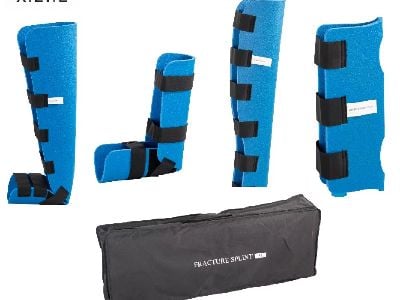
Selecting the right vacuum splint kit for ambulance deployment is crucial for effective emergency response. A vacuum splint kit is designed to immobilize injured limbs and stabilize patients during transport, ensuring their safety and comfort. However, with various options available, B2B buyers such as purchasing managers, distributors, and medical professionals often face challenges in making an informed decision. This article will explore the critical factors when selecting a vacuum splint kit, helping you understand quality evaluation, reliable suppliers, common issues, and the best application scenarios for these essential tools.
Critical Factors for Choosing a Vacuum Splint Kit in Emergency Services
When selecting a vacuum splint kit for ambulance deployment, several critical factors should be considered:
Material and Construction: The materials used in the splint should be durable yet lightweight, ensuring ease of handling during emergencies. Common materials include high-density foam and robust plastic, which provide both comfort and support. It's important to verify that the materials are resistant to wear and can withstand the rigors of emergency medical services.
Size and Weight: The dimensions of the vacuum splint kit should be compact enough for storage in ambulances but large enough to accommodate various patient sizes. Consideration of weight is also essential; a lighter kit enhances mobility for emergency responders.
Vacuum Mechanism: The efficiency of the vacuum mechanism is pivotal. A reliable vacuum pump is necessary for quick inflation and deflation, ensuring that the splint can be applied and removed swiftly. Evaluate the mechanism for ease of use, especially under pressure.
Certification and Compliance: Look for kits that comply with international standards and certifications like ISO13485, TUV, CE, and FDA. These certifications signify that the products meet stringent quality and safety regulations, providing peace of mind during critical situations.
Customization Options: Depending on the specific requirements of your emergency services, consider suppliers that offer customizable vacuum splint kits. Customization can include variations in size, color, or additional features that align with your operational needs.
How to Evaluate the Quality of Vacuum Splint Kits for Ambulance Use?
Evaluating the quality of vacuum splint kits involves a systematic approach:
Inspect Product Specifications: Request detailed specifications from suppliers, including weight capacity, dimensions, and material properties. This information is essential to ensure compatibility with your ambulatory equipment and patient needs.
Testing and Certification: Verify that the vacuum splint kit have undergone rigorous testing to meet safety standards. Ask for documentation or reports that outline the testing processes and results. This can include stress tests, durability assessments, and user feedback.
Quality Control Processes: Inquire about the manufacturer's quality control processes. A reputable manufacturer should have stringent quality checks in place during production, ensuring that every kit meets consistent standards.
Sample Evaluations: Before making bulk purchases, it’s advisable to evaluate samples. Testing a sample under actual operational conditions can reveal how the kit performs in real-life scenarios, helping you assess its effectiveness.
User Reviews and Feedback: Seek out testimonials from other emergency services that have utilized the vacuum splint kits. Real-world feedback can provide insights into the product's reliability and performance.
Finding Reliable Suppliers for Vacuum Splint Kits
Identifying reliable suppliers is key to ensuring consistent quality and service. Here are steps to consider:
Industry Reputation: Research potential suppliers' reputations within the medical equipment industry. Suppliers with a long-standing history and positive reviews from other clients are more likely to deliver high-quality products.
Certifications and Compliance: Ensure that the suppliers hold the necessary certifications (ISO13485, CE, FDA) that reflect their commitment to quality and safety. This is particularly important in the medical field, where compliance is non-negotiable.
Customer Support and Service: Evaluate the level of customer support offered by suppliers. A supplier that provides robust after-sales support, including training and maintenance advice, can be invaluable.
Customization and Flexibility: Choose suppliers that offer customization options, as this can enhance the usability of the vacuum splint kits in your specific context.
Lead Times and Pricing: Compare lead times and pricing from multiple suppliers. While cost is a factor, it should not compromise quality. Ensure that the pricing reflects the quality and features of the product offered.
Common Problems with Vacuum Splint Kits and Their Solutions
While vacuum splint kits are essential tools, they can present common issues that buyers should be aware of:
Leakage Issues: One common problem is air leakage, which can compromise the effectiveness of the splint. Regular maintenance checks and proper handling can mitigate this risk. Suppliers should provide guidelines on how to test for leaks.
Difficult Operation: Some kits may have complex operating mechanisms. It’s crucial that the design of the vacuum pump is user-friendly. Training for staff on proper usage and maintenance is essential to avoid operational delays.
Material Degradation: Over time, exposure to elements or improper storage can lead to degradation of the splint material. To counter this, it’s advisable to follow the manufacturer’s storage guidelines and conduct regular inspections.
Incompatible Sizes: Kits may not fit all patient sizes effectively. Working with suppliers that provide a range of sizes or customizable options can help ensure a better fit for all patients.
Limited Lifespan: Some vacuum splint kit may have a limited lifespan due to wear and tear. Buyers should inquire about the expected lifespan and warranty terms before purchasing.
Best Application Scenarios for Vacuum Splint Kits in Ambulance Deployment
Vacuum splint kits are versatile tools that can be applied in various emergency scenarios:
Trauma Cases: In situations involving fractures or dislocations, vacuum splint kits provide the necessary immobilization to prevent further injury during transport.
Spinal Injuries: For patients with suspected spinal injuries, a vacuum splint can stabilize the spine while allowing for adjustments to ensure patient comfort.
Multi-Patient Scenarios: In mass casualty incidents, these kits can be quickly deployed to multiple patients, facilitating efficient triage and transport.
Remote Locations: In situations where advanced medical care is not immediately available, vacuum splint kits can be crucial for stabilizing patients until they reach a medical facility.
Extreme Weather Conditions: The robust materials used in high-quality vacuum air splint kit make them suitable for use in various weather conditions, ensuring reliability regardless of the environment.
selecting the right vacuum splint kit for ambulance deployment requires careful consideration of multiple factors, including material quality, supplier reliability, and specific application needs. By focusing on these critical components, emergency services can enhance patient safety and improve response effectiveness.
Table of Contents
- Critical Factors for Choosing a Vacuum Splint Kit in Emergency Services
- How to Evaluate the Quality of Vacuum Splint Kits for Ambulance Use?
- Finding Reliable Suppliers for Vacuum Splint Kits
- Common Problems with Vacuum Splint Kits and Their Solutions
- Best Application Scenarios for Vacuum Splint Kits in Ambulance Deployment
