
 EN
EN
 AR
AR
 CS
CS
 DA
DA
 NL
NL
 FI
FI
 FR
FR
 DE
DE
 EL
EL
 HI
HI
 IT
IT
 JA
JA
 KO
KO
 NO
NO
 PL
PL
 PT
PT
 RU
RU
 ES
ES
 SV
SV
 TL
TL
 ID
ID
 LT
LT
 SK
SK
 VI
VI
 TR
TR
 FA
FA
 GA
GA
 IS
IS
 HY
HY
 EU
EU
 KA
KA
 HT
HT
 BN
BN
 LO
LO
 LA
LA
 MN
MN
 NE
NE
 ZU
ZU
 MY
MY
 KK
KK
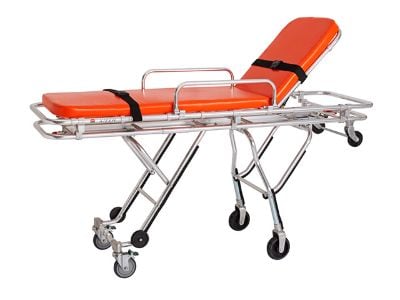
A comprehensive maintenance checklist is essential to reduce mechanical failure of ambulance stretcher beds, ensuring that they remain reliable and safe during critical emergency responses. For B2B buyers, including purchasing managers and fleet operators, understanding the maintenance requirements and best practices for stretcher beds is crucial. This article will explore the key components of a maintenance checklist, highlight sourcing options, discuss material advantages, identify common problems with stretcher beds, and provide insights into wholesale purchasing options.
What to Include in Your Ambulance Stretcher Bed Maintenance Checklist?
A well-structured maintenance checklist for ambulance stretcher beds should encompass several critical areas to ensure proper functionality and longevity. Key elements to consider include:
Visual Inspection: Regularly check for any visible damage, such as cracks or deformities in the frame. This helps catch potential issues before they develop into serious problems.
Mechanical Functionality: Test all moving parts, including hinges, locks, and adjustment mechanisms. Ensure that they operate smoothly without any obstructions or excessive wear.
Cleaning Procedures: Establish a routine for cleaning the stretcher bed to prevent the build-up of dirt and contaminants that could affect functionality or hygiene.
Safety Equipment Check: Inspect straps, belts, and safety harnesses for wear and tear. These components are crucial for patient safety during transport.
Lubrication: Regularly lubricate moving parts as per the manufacturer’s recommendations to prevent rust and ensure smooth operation.
Electronics and Batteries: For electric stretchers, check battery levels and the condition of electrical components to ensure reliable use during emergencies.
By incorporating these elements into your maintenance checklist, you can proactively address potential issues, reducing the risk of mechanical failure when it matters most.
Where to Source Quality Ambulance Stretcher Beds for Your Fleet?
When sourcing ambulance stretcher beds for your fleet, it is essential to evaluate suppliers based on several criteria. Start by identifying manufacturers with a strong reputation in the medical equipment industry, such as XIEHE, which has a global presence and is known for its reliability.
Certification Verification: Ensure that the suppliers hold relevant certifications such as ISO13485, TUV, CE, and FDA. These certifications demonstrate compliance with international quality standards and safety regulations.
Product Range and Customization: Look for suppliers that offer a variety of stretcher designs and customization options to meet specific operational needs. This can include different sizes, weights, and features tailored to your fleet requirements.
Pricing and MOQ: Discuss pricing structures and minimum order quantities (MOQ) with potential suppliers. Understanding these factors can help you evaluate cost-effectiveness and budget management.
Review Past Performance: Seek testimonials or case studies from other customers who have purchased from the supplier. This can provide insight into product performance and customer service.
Lead Times: Confirm the expected lead times for delivery to ensure that your fleet can be operational without unnecessary delays.
By carefully evaluating these factors, you can make informed sourcing decisions that support the efficiency and safety of your emergency response operations.
Understanding Material Advantages in Ambulance Stretcher Bed Design
The materials used in ambulance stretcher bed construction play a vital role in their performance and durability. Here are some key material considerations:
Aluminum vs. Steel: Aluminum is lightweight and resistant to corrosion, making it easier to handle, while steel offers greater strength and durability. Choose the material based on weight capacity requirements and transport logistics.
Fabric Choices: The choice of upholstery fabric affects hygiene and comfort. Medical-grade fabrics that are easy to clean and disinfect are essential for maintaining a sterile environment.
Weight Capacity: Ensure that the materials used in the stretcher design can support the required weight capacity, including the patient and any additional equipment.
Environmental Resistance: Consider materials that can withstand various environmental conditions, such as moisture, temperature changes, and chemical exposure. This is particularly important for stretchers used in diverse settings.
Impact Resistance: The stretcher should be designed to absorb shocks and impacts, protecting both the patient and the equipment during transport.
Selecting the right materials based on these advantages can enhance the performance and reliability of ambulance single stretcher bed, ultimately improving patient care and safety.
Common Problems with Ambulance Stretcher Beds and Effective Solutions
Identifying common issues with ambulance stretcher beds is crucial for maintaining operational efficiency. Here are some frequent problems and recommended solutions:
Mechanical Failures: Issues such as sticking hinges or malfunctioning locks can arise from neglect or insufficient maintenance. Regular inspections and timely repairs can prevent these problems.
Wear and Tear on Upholstery: Frequent use can lead to fabric tears and wear. Implementing a routine cleaning and inspection schedule can help extend the life of the upholstery.
Electrical Issues in Electric Stretchers: Electrical components can fail due to battery issues or wiring problems. Regular checks of the battery and electrical systems can help identify potential failures before they disrupt service.
Brake Failures: Issues with brakes can compromise safety. Regularly testing brake functionality and addressing any malfunctions immediately is essential.
Corrosion: Exposure to moisture can lead to rust and corrosion, particularly in metal components. Ensure regular cleaning and consider using protective coatings to mitigate this risk.
Addressing these common problems with proactive solutions can enhance the reliability of stretcher stretcher bed single and ensure they remain operational when needed.
Wholesale Options for Ambulance Stretcher Beds and Bulk Purchasing Tips
When considering bulk purchases of ambulance stretcher beds, there are several wholesale options and tips to keep in mind:
Bulk Discounts: Many manufacturers offer discounts for bulk orders. Inquire about pricing structures and negotiate terms that fit your budget.
Sample Approval: Before finalizing a bulk order, request samples to evaluate quality and functionality. Testing a sample under actual operating conditions can help confirm suitability.
Contractual Agreements: Establish clear contractual agreements that outline delivery timelines, payment terms, and warranty conditions. This protects both parties and clarifies expectations.
Logistics and Shipping: Discuss shipping options and logistics with the supplier. Understanding lead times and shipping costs can help manage overall project budgets.
Future Needs: Consider discussing potential future needs with suppliers. Establishing a long-term relationship can lead to improved terms and more tailored solutions for your fleet.
By leveraging these wholesale options and tips, you can effectively manage purchasing processes and ensure that your fleet is equipped with high-quality ambulance stretcher beds.
Table of Contents
- What to Include in Your Ambulance Stretcher Bed Maintenance Checklist?
- Where to Source Quality Ambulance Stretcher Beds for Your Fleet?
- Understanding Material Advantages in Ambulance Stretcher Bed Design
- Common Problems with Ambulance Stretcher Beds and Effective Solutions
- Wholesale Options for Ambulance Stretcher Beds and Bulk Purchasing Tips
