
 EN
EN
 AR
AR
 CS
CS
 DA
DA
 NL
NL
 FI
FI
 FR
FR
 DE
DE
 EL
EL
 HI
HI
 IT
IT
 JA
JA
 KO
KO
 NO
NO
 PL
PL
 PT
PT
 RU
RU
 ES
ES
 SV
SV
 TL
TL
 ID
ID
 LT
LT
 SK
SK
 VI
VI
 TR
TR
 FA
FA
 GA
GA
 IS
IS
 HY
HY
 EU
EU
 KA
KA
 HT
HT
 BN
BN
 LO
LO
 LA
LA
 MN
MN
 NE
NE
 ZU
ZU
 MY
MY
 KK
KK
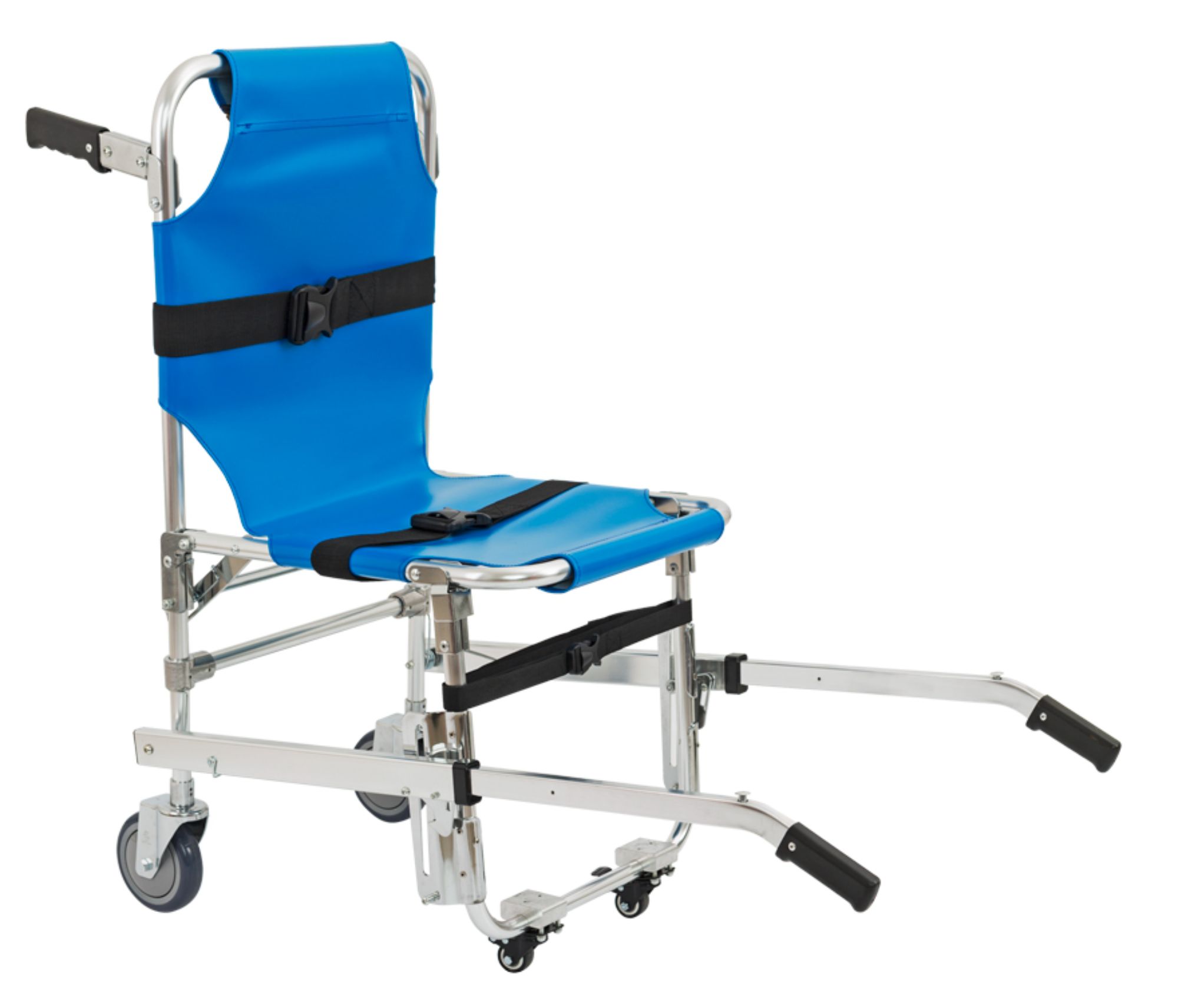
In emergency situations, the right equipment can make all the difference, especially when it comes to safely evacuating individuals from ambulances. This article will explore the key safety standards for XIEHE MEDICAL evac chair for stairs in emergency evacuation, addressing critical concerns for purchasing managers, medical facilities, and emergency responders. Understanding these standards will help ensure compliance, safety, and effectiveness in real-world applications.
What to Know
When evaluating ambulance evacuation chairs, it's essential to be aware of the key safety standards that govern their design and manufacturing. These standards are critical for ensuring that the chairs can withstand the rigors of emergency evacuations while providing maximum safety for both the user and the patient.
Typically, ambulance evacuation chairs must comply with national and international safety regulations, including EN 1865 for patient transport equipment in Europe and FDA regulations in the United States. These standards emphasize factors such as weight capacity, structural integrity, and materials used in construction. It’s vital for buyers to confirm that the chairs meet these requirements to prevent equipment failure during use.
Additionally, the design of the evacuation chair should facilitate ease of use in high-stress situations. Features such as foldability, lightweight materials, and ergonomic handles are essential for quick deployment, while safety features like secure straps and non-slip surfaces help minimize risks during transport.
How to Choose the Right Ambulance Evacuation Chair for Your Needs?
Selecting the right ambulance evacuation chair involves several considerations tailored to the specific needs of your organization. First, assess the weight capacity required for your typical patient demographic, as chairs are available in various weight limits. For instance, a chair with a capacity of 250 kg may be suitable for most applications, but higher capacities may be necessary for heavier patients.
Next, consider the materials used in the chair’s construction. Lightweight aluminum frames can enhance mobility, while durable fabrics ensure longevity and resistance to wear and tear. Evaluate the chair’s dimensions as well; a compact design may be beneficial for smaller ambulance interiors, while a more spacious model could offer additional comfort for the patient.
Customization options are also crucial. Many manufacturers, including XIEHE, offer ODM and OEM services, allowing buyers to specify features such as color, branding, and additional accessories to meet organizational standards or personal preferences.
Lastly, think about the training required for staff. A chair that is more intuitive to operate can significantly reduce the learning curve, ensuring that personnel can act quickly and effectively in emergencies.
Where to Source Reliable Suppliers for Ambulance Evacuation Chairs?
Finding reliable suppliers for ambulance evacuation chairs involves thorough research and evaluation. Start by compiling a list of manufacturers who specialize in medical equipment, particularly those with experience in emergency transport solutions. Look for companies that have established a good reputation for producing high-quality products, such as XIEHE MEDICAL, which has been in the stair chairs for evacuation industry since 2005 and holds various certifications including ISO13485, TUV, CE, and FDA.
Next, evaluate supplier capabilities. Ensure that potential suppliers have the necessary certifications that indicate compliance with safety standards. Additionally, inquire about their production capacity and quality control processes to ensure they can meet your demand without compromising on quality.
Request samples to assess the product's functionality and quality firsthand. This step is crucial, as it allows you to evaluate the materials, comfort, and ease of use before making a significant investment.
Finally, consider suppliers who offer ongoing support and service, which can include training for your staff, maintenance programs, and a clear warranty policy. This support can be invaluable, especially in emergency situations where equipment reliability is paramount.
Understanding Different Evacuation Chair Models
Ambulance evacuation chairs come in various models, each designed to serve specific needs. It’s important to understand the differences to select the most appropriate model for your situation.
For example, some models are designed for use in narrow spaces and can fold compactly, making them ideal for smaller ambulances or crowded environments. Others may have advanced features such as powered lifting mechanisms, which can reduce the physical strain on caregivers during patient transfer.
Consideration should also be given to the intended user demographic. For example, chairs designed for pediatric patients may include additional safety features such as harnesses and adjustable components, while bariatric models must meet specific weight and width requirements.
In addition to these features, pay attention to the chair's compatibility with other medical equipment. For instance, some evacuation chairs can be integrated with stretcher systems or secured in place during transport, enhancing overall safety and efficiency.
Best Practices
When implementing the use of ambulance evacuation chairs, adhering to best practices can significantly improve safety and effectiveness. Regular training sessions ensure that all staff members are familiar with the chair's operation, emergency procedures, and maintenance checks. This training should include practical drills to simulate real-life scenarios.
Routine inspections and maintenance checks are also essential. Establish a schedule to examine the chair for any wear and tear, ensuring that all components, such as straps, wheels, and locking mechanisms, are functional. Proper maintenance of XIEHE MEDICAL evacuation chair for stairs can help identify issues before they become critical, thus enhancing patient safety.
Finally, encourage feedback from users. Those who operate the chairs regularly can provide valuable insights into their functionality and comfort. This feedback can guide future purchasing decisions and highlight areas for improvement in existing equipment.
By staying informed about key safety standards, selecting the right chair, sourcing from reliable suppliers, understanding model differences, and following best practices, organizations can ensure that they are well-equipped for emergency situations involving patient transport.
