
 EN
EN
 AR
AR
 CS
CS
 DA
DA
 NL
NL
 FI
FI
 FR
FR
 DE
DE
 EL
EL
 HI
HI
 IT
IT
 JA
JA
 KO
KO
 NO
NO
 PL
PL
 PT
PT
 RU
RU
 ES
ES
 SV
SV
 TL
TL
 ID
ID
 LT
LT
 SK
SK
 VI
VI
 TR
TR
 FA
FA
 GA
GA
 IS
IS
 HY
HY
 EU
EU
 KA
KA
 HT
HT
 BN
BN
 LO
LO
 LA
LA
 MN
MN
 NE
NE
 ZU
ZU
 MY
MY
 KK
KK
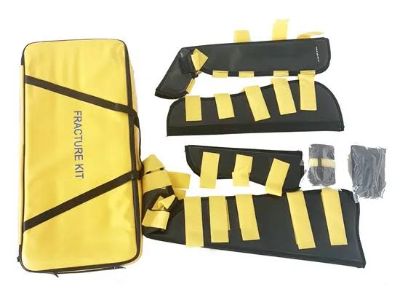
A standard body splint kit is an essential component in emergency medical situations, providing crucial support and immobilization for patients who have sustained injuries. Understanding what configurations should be included in a standard body splint kit is vital for purchasing managers, distributors, and medical professionals who require reliable and effective equipment. This article will address the necessary configurations, provide insights on buyer considerations, compare bulk purchase options, explain material advantages, and offer installation guidelines, ensuring that readers can make informed purchasing decisions for their organizations
What Configurations to Consider in a Standard Body Splint Kit
When selecting a standard body splint kit, it is important to include a variety of configurations that cater to different emergency scenarios. A comprehensive kit typically contains
Various Splint Types: Rigid splints for immobilizing broken bones, inflatable splints for easy storage and transport, and flexible splints for irregularly shaped body parts
Size Options: Splints should be available in different sizes to accommodate patients of various ages and body types. This includes pediatric and adult configurations
Strapping Systems: Secure strapping systems are essential for holding the splint in place. Velcro straps are commonly used for their ease of use and adjustability
Padding: To enhance patient comfort, splints should be equipped with sufficient padding. This reduces pressure points and prevents further injury during transport
Carrying Case: A durable, portable case that organizes all components is crucial for ease of access during emergencies
Including these configurations ensures that the body splint kit is versatile, effective, and ready for various medical situations
What Buyers Should Know
Before purchasing a body splint kit, buyers should consider several key factors
Regulatory Standards: Ensure that the splint kit complies with local and international medical device regulations, such as CE and FDA certifications. This guarantees that the products meet safety and quality standards
Quality Assurance: Manufacturers with ISO13485 certification demonstrate a commitment to quality management systems, which is crucial for medical equipment
Customization Options: Depending on specific needs, buyers may require customized kits. Understanding the manufacturer’s ability to provide tailored solutions can significantly enhance the kit’s effectiveness
Lead Time and Availability: Inquire about production lead times and stock availability, especially if bulk purchasing for multiple facilities
Warranty and Support: Assess the warranty offered on the splint kits and the availability of after-sales support. This ensures that buyers can receive assistance in case of defects or issues
By considering these factors, buyers can ensure they are making informed decisions that align with their operational needs
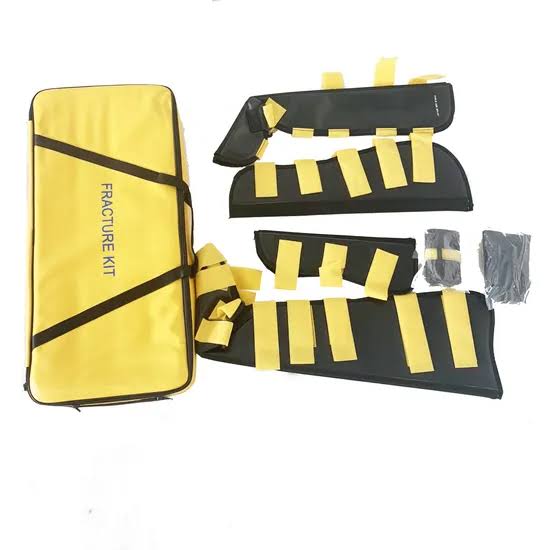
Comparing Body Splint Kit Options for Bulk Purchase Decisions
When evaluating body splint kit options for bulk purchases, consider the following criteria
Cost per Unit: Analyze the total cost in relation to the number of kits being purchased. Bulk buying often leads to discounts, but it’s important to compare the quality against the price
Supplier Reliability: Research potential suppliers' reputations, including customer reviews and case studies. A reliable supplier should have a history of delivering high-quality products consistently
Product Specifications: Compare the technical specifications of different kits. Look for variations in size, material, and additional features that may justify price differences
Shipping and Handling: Understand the logistics involved in bulk orders, including shipping costs and delivery times. This can affect the overall cost and timing of product availability
Return Policies: Assess the supplier's return policy in case the delivered products do not meet the expected quality or specifications
By thoroughly comparing these factors, buyers can make strategic decisions that optimize their purchasing process and ensure they receive the best value for their investment
Understanding Material Advantages in Body Splint Kit Manufacturing
Materials used in body splint kits play a critical role in their performance and durability. Common materials include
Polyethylene: Lightweight and robust, polyethylene is often used for rigid splints. Its resistance to moisture and chemicals makes it suitable for emergency situations
Thermoplastic: This material is favored for its flexibility and ability to conform to the body while providing adequate support. It is also easily moldable, allowing for custom shapes
Nylon and Polyester Fabrics: Used in strapping and padding, these materials provide strength and comfort. They are often chosen for their durability and ease of cleaning
Foam Padding: High-density foam is essential for patient comfort and protection against pressure sores during transport
Understanding these material advantages helps buyers select the most suitable body splint kits based on their specific application needs, ensuring both effectiveness and comfort for patients
Installation Guidelines for Optimal Use of Body Splint Kits
Proper installation of a body splint kit is crucial for maximizing its effectiveness. Here are some guidelines
Prepare the Patient: Ensure the patient is in a stable position before applying the splint. Assess the injury and provide reassurance to the patient to minimize movement
Select the Appropriate Splint: Choose a splint that matches the injury type and location. For example, use rigid splints for fractures and flexible splints for soft tissue injuries
Positioning: Align the splint with the injured area, ensuring it extends beyond the injury site. This provides adequate immobilization and support
Secure the Splint: Use the provided strapping system to secure the splint tightly but not so tight that it restricts blood flow. Regularly check the extremities for signs of circulation
Monitor the Patient: Continuously monitor the patient's condition during transport to ensure that the splint remains effective and comfortable
By following these installation guidelines, medical personnel can enhance the effectiveness of body splint kits and improve patient outcomes during emergencies
By covering these critical aspects of body splint kits, we aim to empower B2B buyers with the knowledge needed to make informed purchasing decisions, ensuring that they select reliable, high-quality products that meet their specific needs
