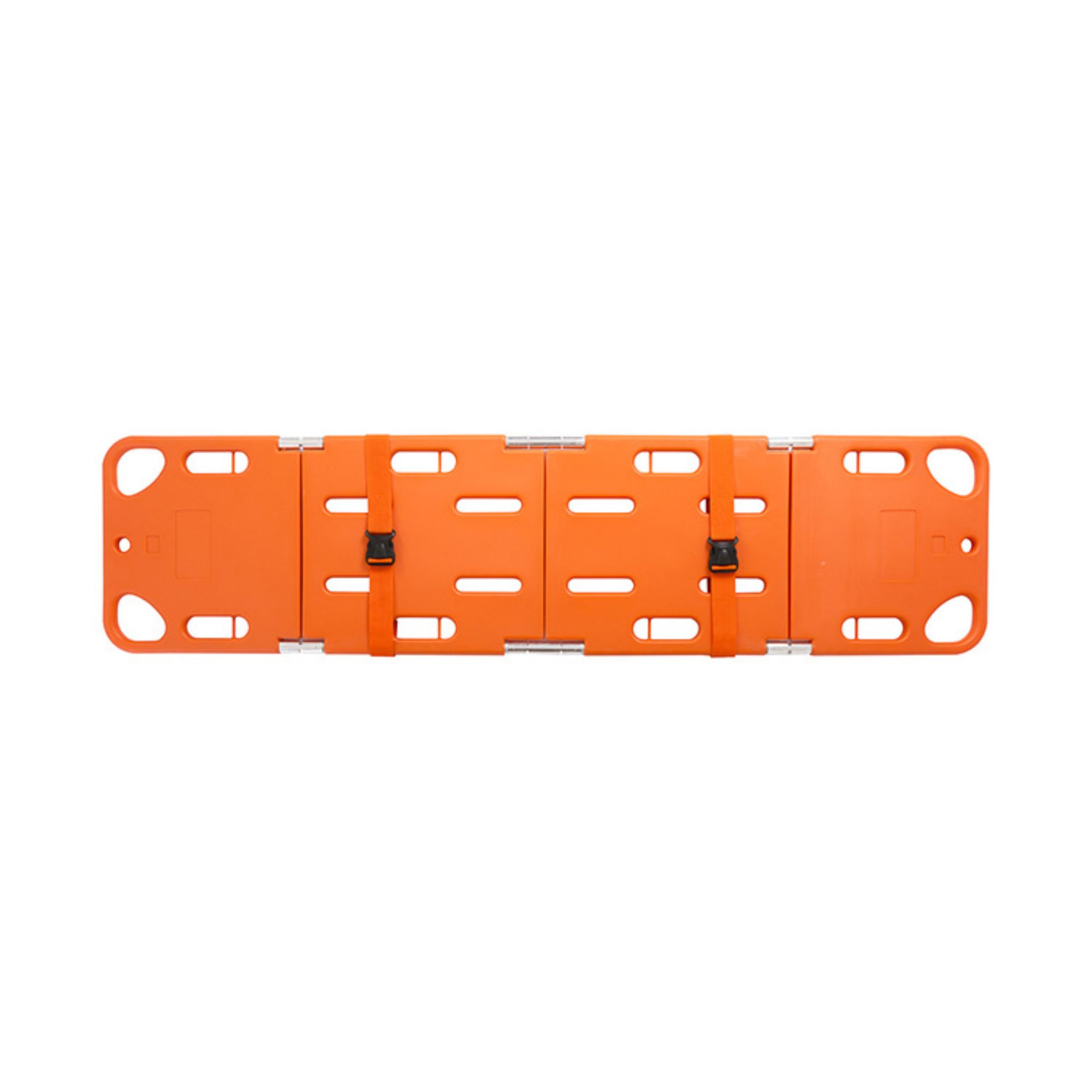
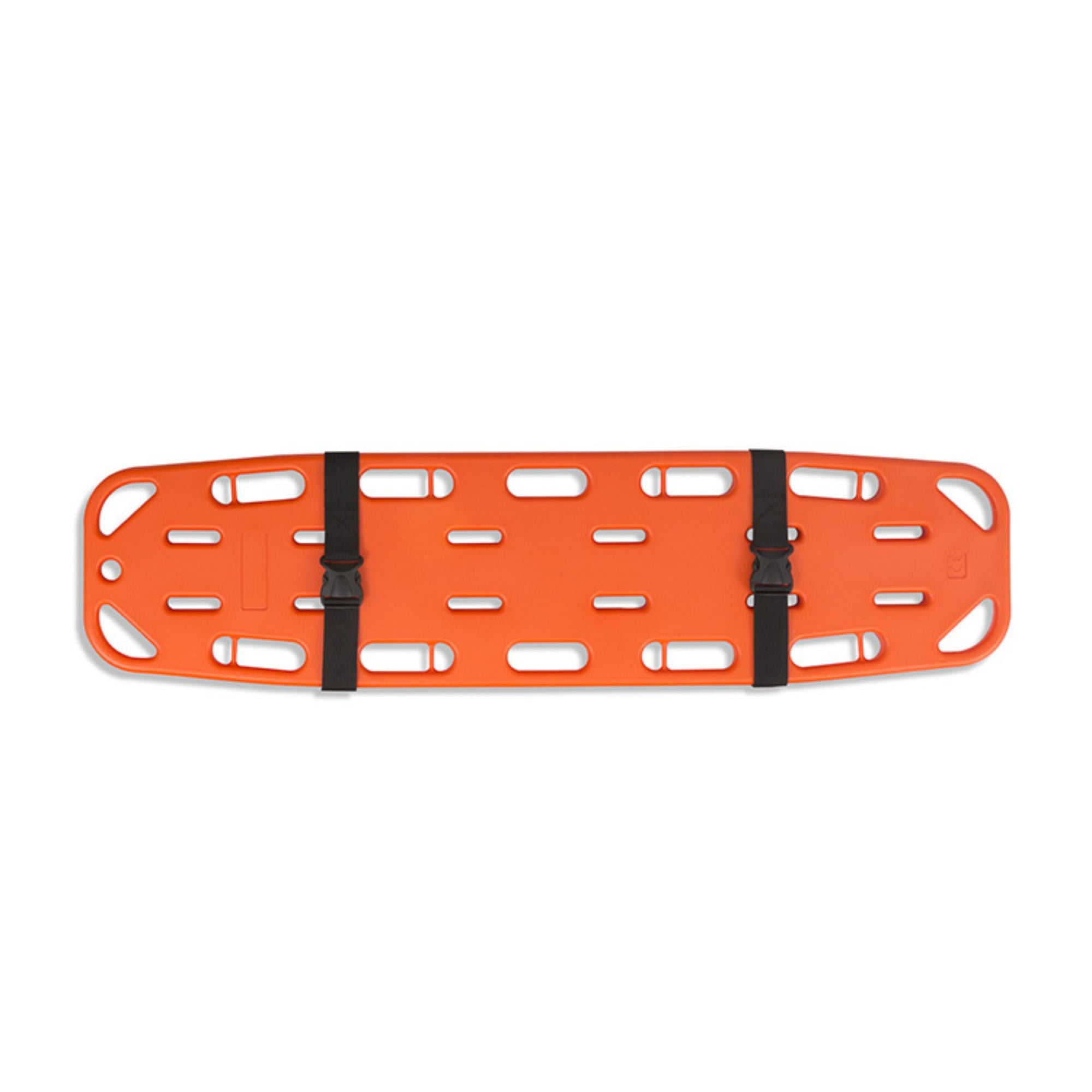
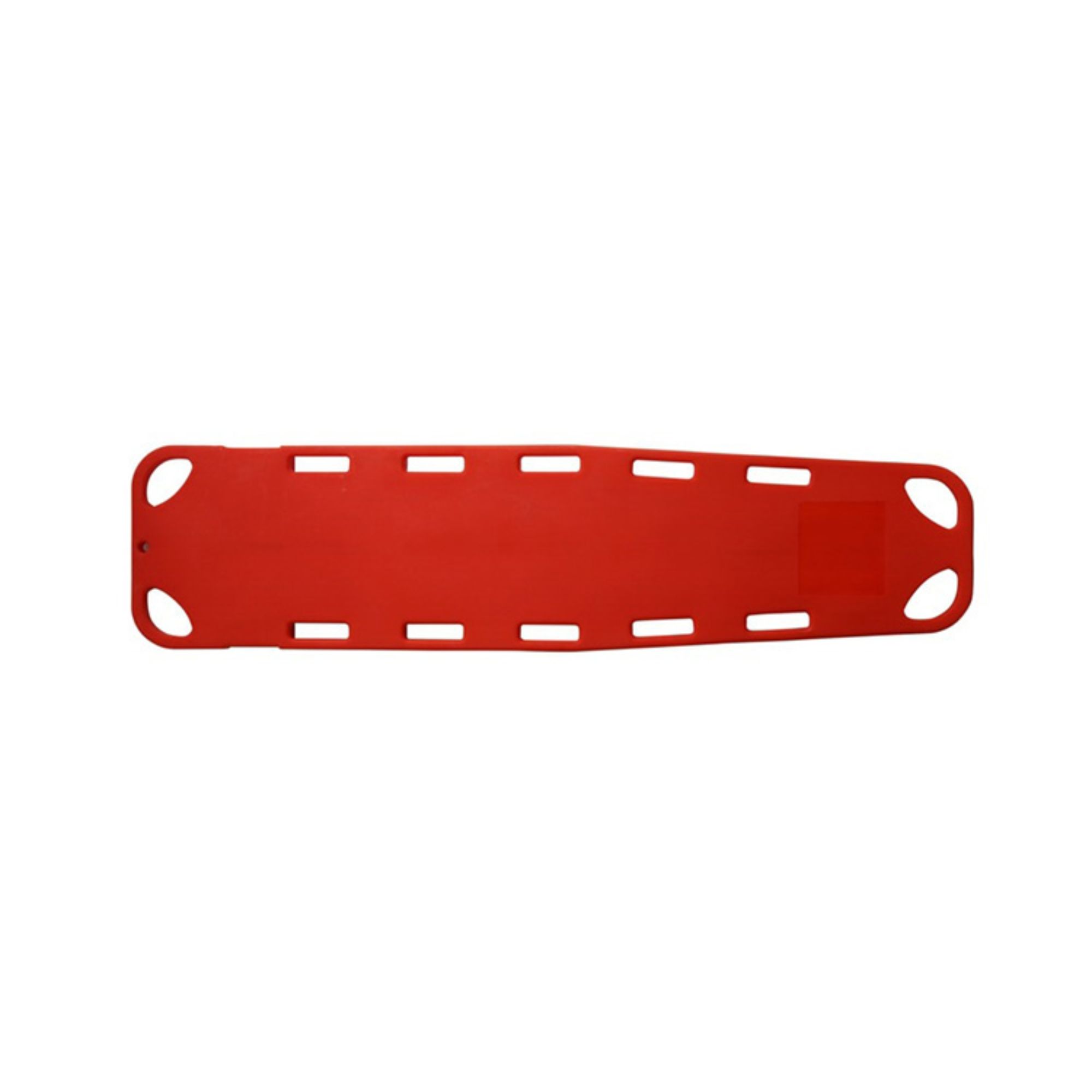
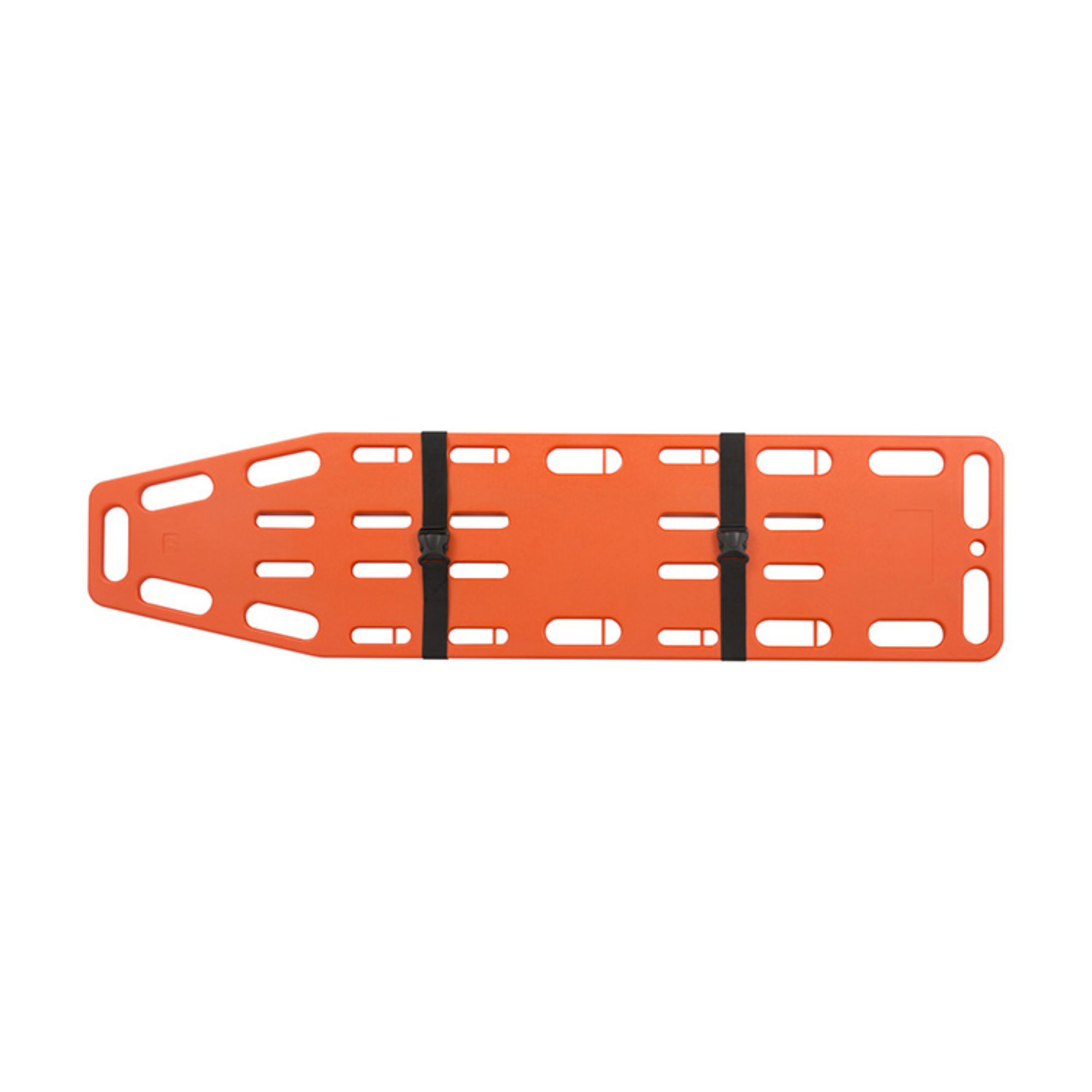
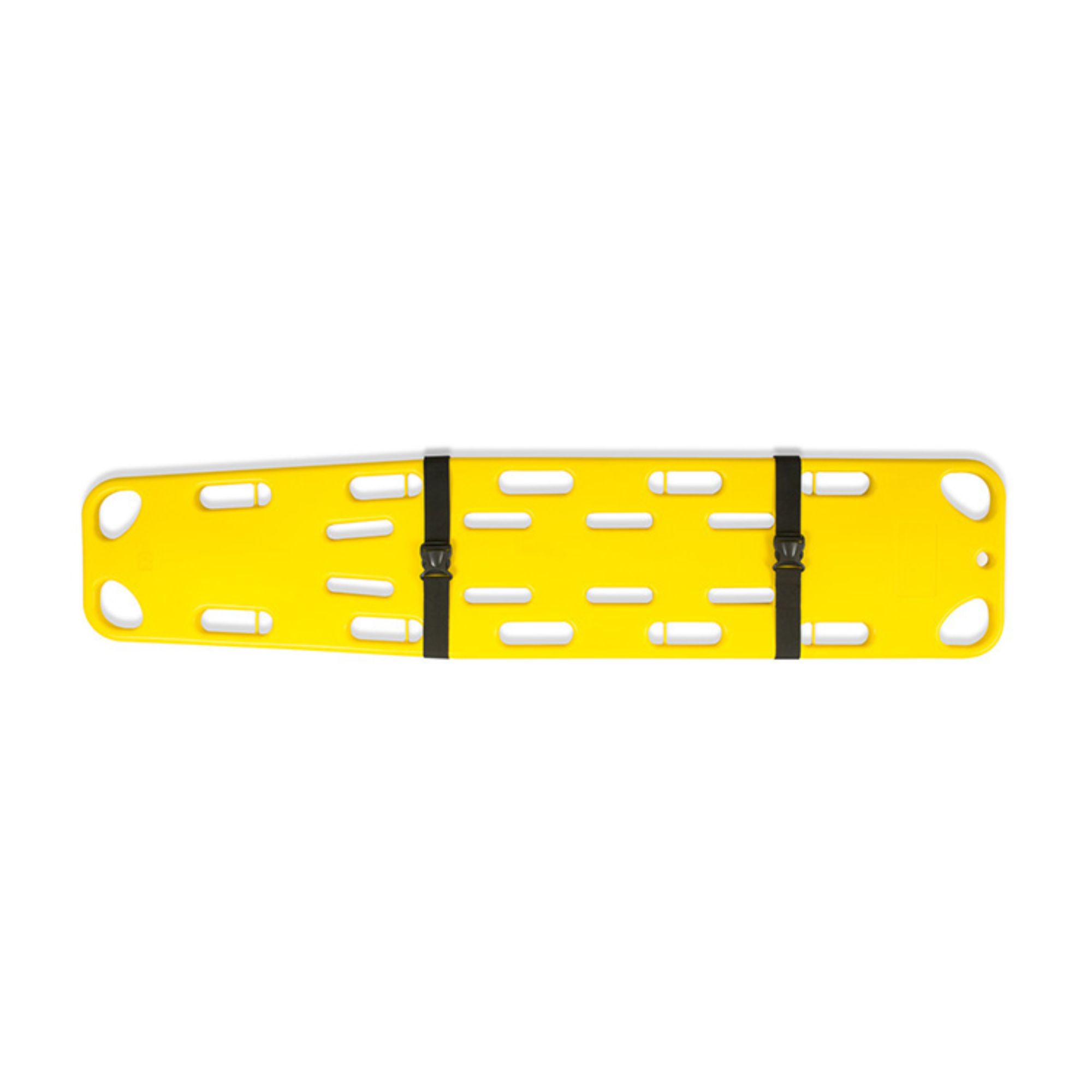
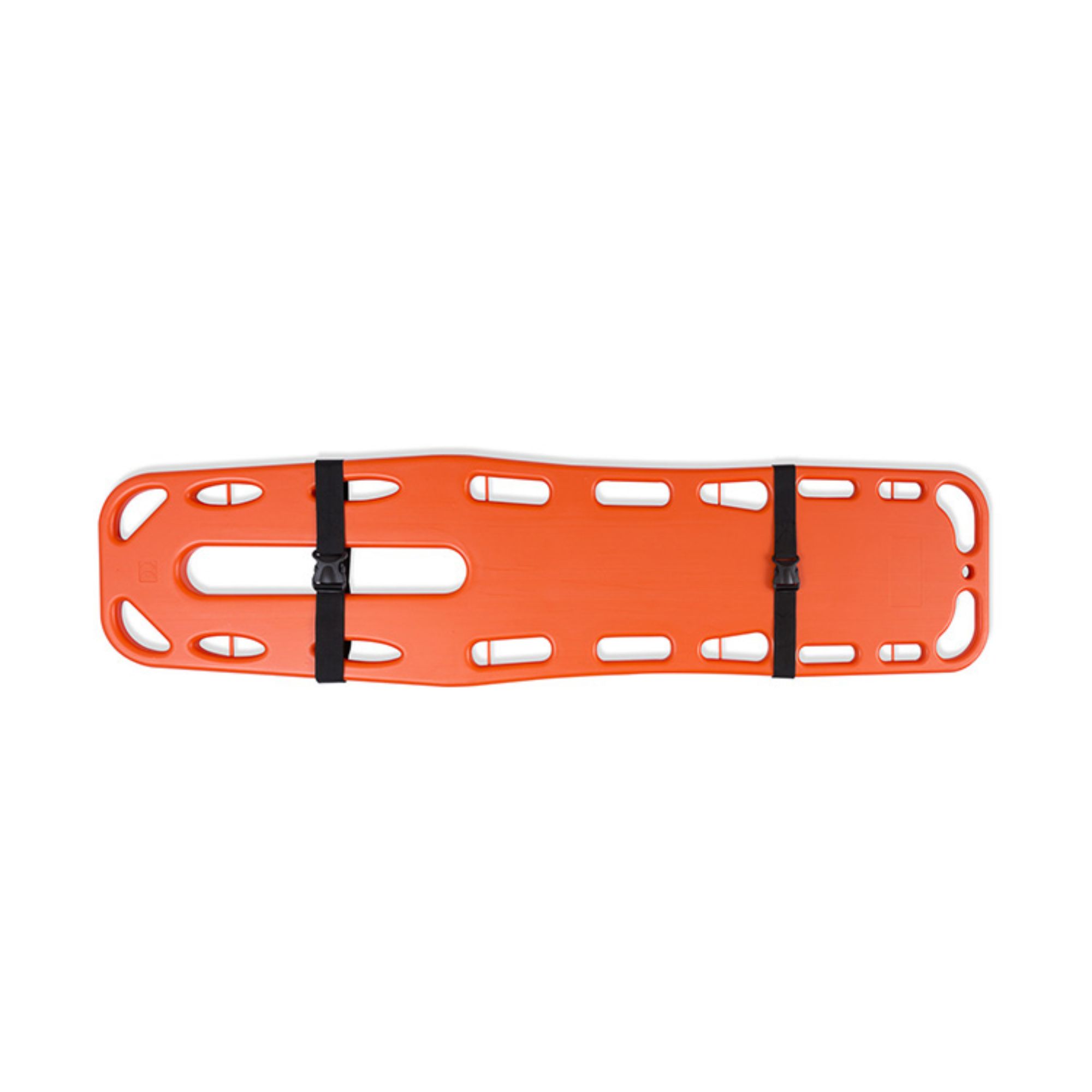
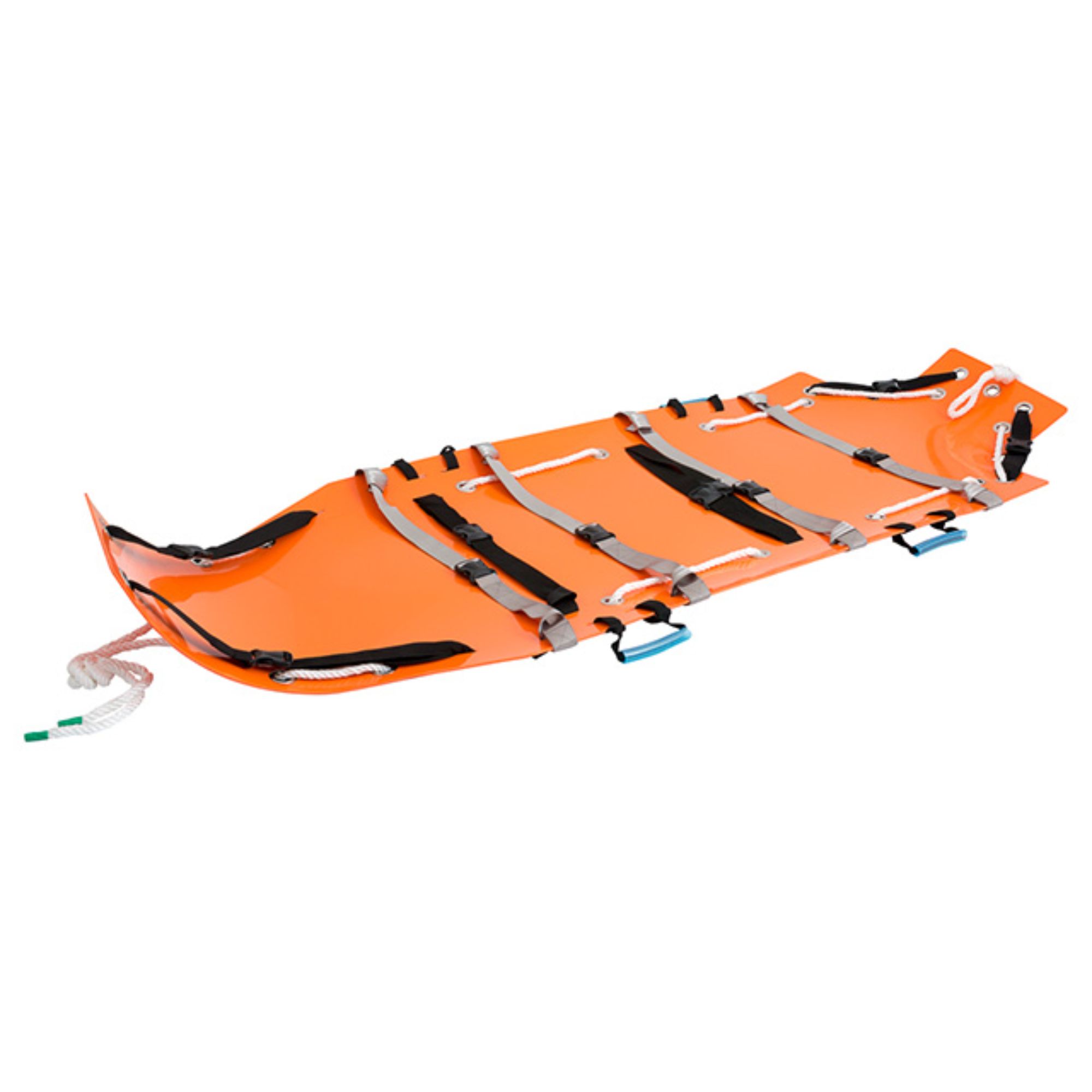
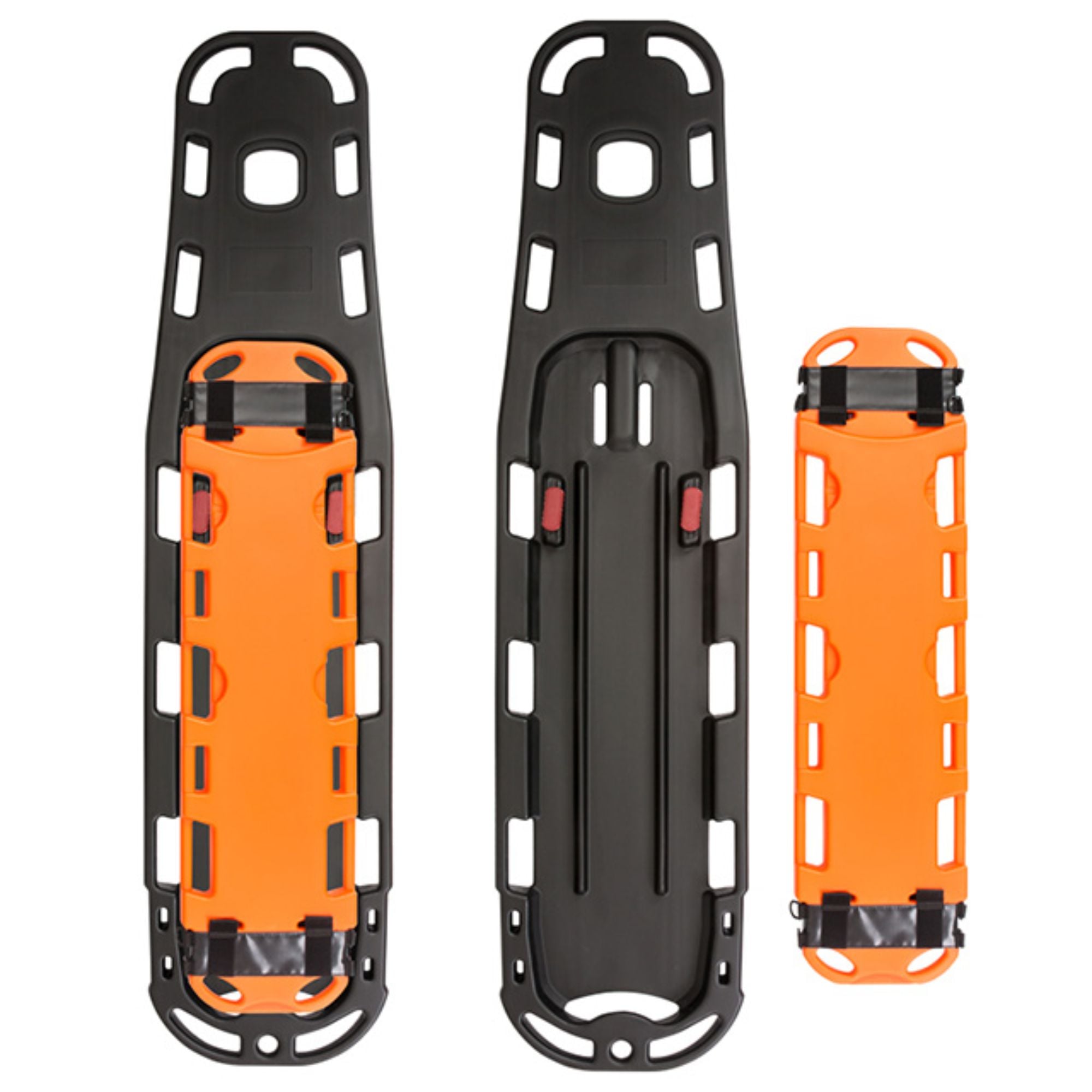
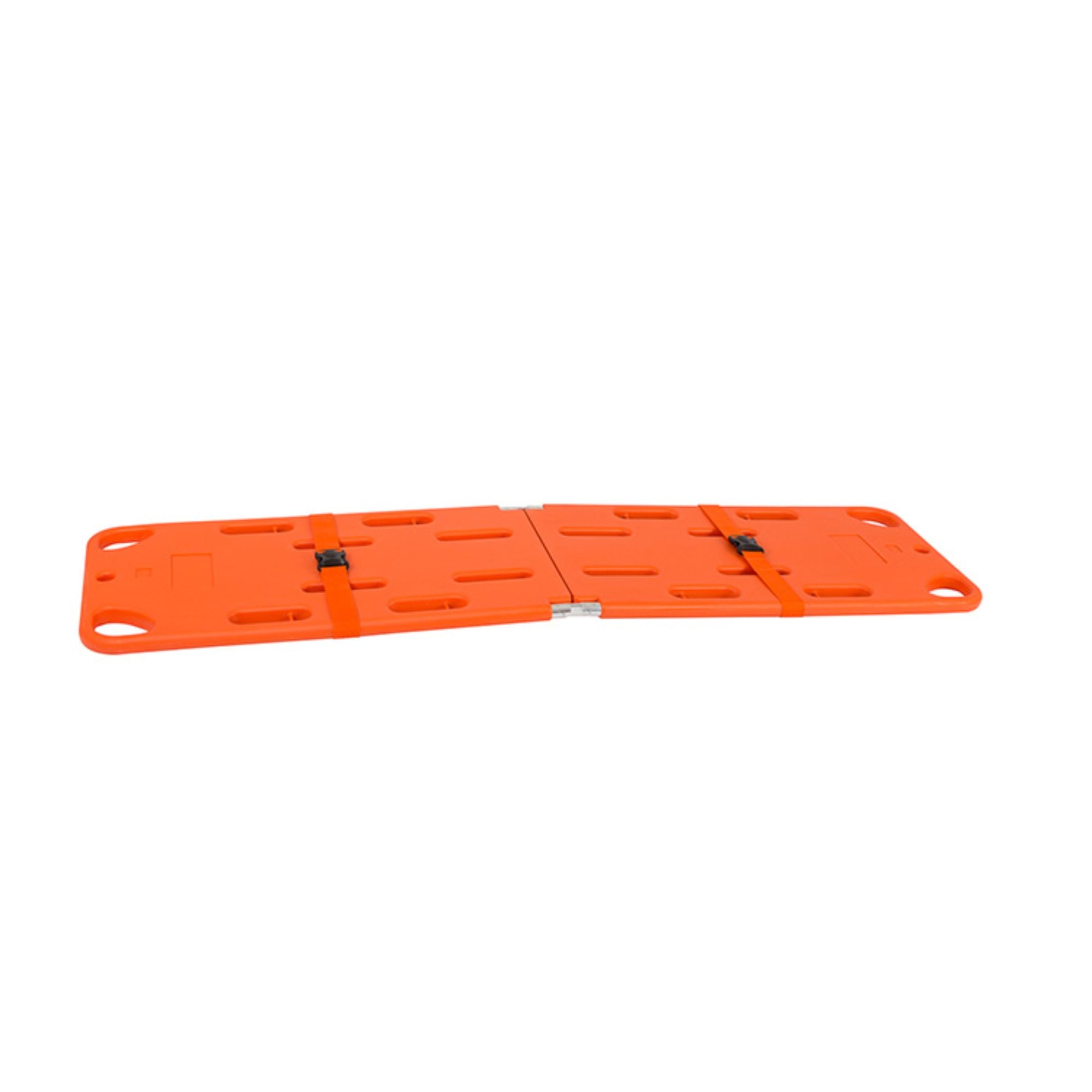
Headblocks are crucial accessories for XIEHE MEDICAL spineboards, designed to stabilize and immobilize patients during emergency transport. For purchasing managers and medical equipment distributors, understanding the specifications and applications of headblocks is essential to ensure they meet the rigorous demands of emergency medical situations. This article will guide you through the critical aspects of selecting the right headblocks for your spider straps for spine board, the key specifications to consider, where to find reliable suppliers, their applications in emergency medical situations, and how to choose headblocks that align with your project requirements.
When selecting headblocks for spineboards, consider the intended use and environment. Headblocks must provide reliable support and immobilization for patients with potential spinal injuries. Key factors to evaluate include the dimensions of the headblock, compatibility with different spineboard models, and the material used in construction. For instance, lightweight yet durable materials like high-density foam or molded plastic are often preferred for their balance of support and ease of handling.
Additionally, assess the design of the headblock. Some models feature adjustable straps for securing the patient's head, while others may have built-in lateral supports. These features can significantly impact the effectiveness of immobilization during transport. Engaging with suppliers who offer customization options can ensure that the headblocks meet specific operational requirements.
Several specifications are critical when sourcing XIEHE MEDICAL headblocks for spineboards.
Material: The choice of material affects durability, weight, and comfort. High-density foam is commonly used for its cushioning properties, while rigid plastic provides structural support.
Dimensions: The size of the headblock should match the foldable spine board and accommodate a range of patient sizes. Common dimensions include length, width, and height, which should be confirmed to ensure compatibility.
Weight Capacity: Ensure that the selected headblock can support the weight of the average patient, factoring in additional equipment if needed.
Attachment Mechanisms: Look for headblocks that have reliable attachment methods to secure them to the spineboard, such as Velcro straps or clips. This will enhance stability during transport.
Ease of Cleaning: Given their use in emergency medical settings, headblocks should be easy to clean and disinfect, ensuring compliance with health regulations.
Understanding these specifications can prevent common pitfalls, such as choosing headblocks that are incompatible with existing equipment or failing to meet safety standards.
Finding reliable suppliers for headblocks can be challenging. Start by researching manufacturers known for their expertise in emergency medical equipment, like XIEHE, which has established a reputation for quality in products like stretchers and headblocks. Look for suppliers with certifications such as ISO13485, CE, and FDA approval, which indicate adherence to quality and safety standards.
Trade shows and industry conferences can also be valuable venues for connecting with potential suppliers. Networking with industry professionals can provide insights into which suppliers have a proven track record. Additionally, online platforms and directories that specialize in medical equipment can help identify manufacturers who offer bulk purchasing options.
When evaluating potential suppliers, consider requesting samples or visiting their facilities to assess their manufacturing capabilities and quality control processes. This hands-on approach can help ensure you choose a partner that aligns with your quality expectations.
Headblocks play a vital role in various emergency medical scenarios. They are primarily used in situations where spinal injuries are suspected, providing immobilization to prevent further injury during transport.
In trauma cases, headblocks are essential for stabilizing the head and neck, allowing emergency personnel to safely transfer patients to medical facilities. Their versatility extends beyond trauma; they are also employed in scenarios involving unconscious or semi-conscious patients, where head stabilization is critical to maintain airway patency.
Furthermore, headblocks can be utilized in non-emergency situations, such as during patient transfers within hospitals or clinics. Their design allows for compatibility with various transport systems, ensuring that patients receive consistent support regardless of the setting.
Hehe Medical Equipment prioritizes customer satisfaction and strives fulfill the requirements of clients with quality reliability. We are able provide customers personal Adjustable bed for patients service due the dedication of our employees as well as the collaborative technology we employ. goal is to establish long-term, solid and cooperative relationship with customers give them top-quality goods and services.
Xiehe Medical Apparatus Instruments continuously engaged in creative R D is dedicated providing products with competitive selling points. Patents intellectual properties secured stretchers that are Air splints, first aid items furniture for hospitals, funeral products. products are designed to match the current trends to meet needs our customers. They are appreciated by both domestic and overseas customers.
Xiehe Medical Apparatus Instruments manufacturer top-quality medical equipment. We also offer professional services. All our products are TUV, CE and FDA certified. We adhere to the ISO13485 system quality control. have team of experts can respond quickly to needs our customers and Bed hospital table high-quality stable products. If it's an ambulance stretcher, folding stretcher, hospital furniture, funeral equipment, Xiehe Medical Equipment can provide our customers with a solution that satisfactory.
Xiehe Medical Apparatus Instruments committed to globalization in marketing and sales. We have more than 30 distributors more than 120 countries based on more than 10 years of support and efforts from partners. strive Adjustable bed for patients long-term partnerships with distributors and integrators in order build future together.
To select XIEHE MEDICAL headblocks that align with your project requirements, start by evaluating the specific needs of your medical facility or operation. Consider the following factors:
Patient Demographics: Analyze the average patient size and condition to determine the appropriate dimensions and weight capacity for headblocks.
Operational Environment: Assess whether the collapsible spine board will be used in ambulances, hospitals, or outdoor settings, as this may influence the material choice and design.
Regulatory Compliance: Ensure that any headblocks selected meet local regulations and safety standards applicable to emergency medical equipment.
Customization Needs: If your facility has unique requirements, such as specific color coding or branding, inquire about customization options with potential suppliers.
Budget Constraints: While quality should not be compromised, it is essential to evaluate pricing based on bulk purchasing to maximize value while adhering to budgetary limits.
By taking these factors into account, you can make a well-informed decision that enhances patient safety and operational efficiency during emergency situations. Remember, thorough research and supplier engagement are key to securing the right headblocks for your specific needs.

Zhangjiagang Xiehe Medical Apparatus & Instruments Co.,Ltd
Professional manufacturer of first aid products with 20 years of export experience.covering ambulance stretcher,folding stretcher,spine board,etc.
7 Xinzha Middle Road, Yangshe Town, Jiangsu, 215600 P.R.C.
Copyright © Zhangjiagang Xiehe Medical Apparatus & Instruments Co.,Ltd. All Rights Reserved - Privacy Policy

 EN
 AR
 CS
 DA
 NL
 FI
 FR
 DE
 EL
 HI
 IT
 JA
 KO
 NO
 PL
 PT
 RU
 ES
 SV
 TL
 ID
 LT
 SK
 VI
 TR
 FA
 GA
 IS
 HY
 EU
 KA
 HT
 BN
 LO
 LA
 MN
 NE
 ZU
 MY
 KK