
 EN
EN
 AR
AR
 CS
CS
 DA
DA
 NL
NL
 FI
FI
 FR
FR
 DE
DE
 EL
EL
 HI
HI
 IT
IT
 JA
JA
 KO
KO
 NO
NO
 PL
PL
 PT
PT
 RU
RU
 ES
ES
 SV
SV
 TL
TL
 ID
ID
 LT
LT
 SK
SK
 VI
VI
 TR
TR
 FA
FA
 GA
GA
 IS
IS
 HY
HY
 EU
EU
 KA
KA
 HT
HT
 BN
BN
 LO
LO
 LA
LA
 MN
MN
 NE
NE
 ZU
ZU
 MY
MY
 KK
KK
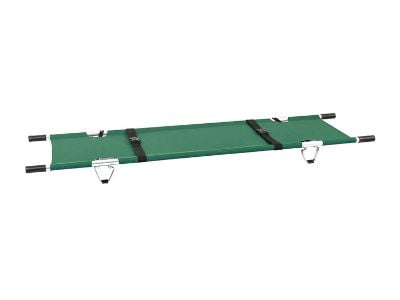
When it comes to emergency situations, the durability and load-bearing capacity of a first aid stretcher are paramount. Understanding the key requirements for material durability and load-bearing tests is essential for purchasing managers, distributors, and professionals in medical and emergency services. This article will delve into the critical aspects of selecting a first aid stretcher that meets rigorous durability standards, ensuring safety and reliability in field use.
Key Factors for First Aid Stretcher Selection
Selecting the right first aid stretcher involves evaluating several key factors that impact its performance and reliability. First, consider the weight capacity, which is crucial for ensuring the stretcher can safely handle patients of varying sizes. Stretcher models typically undergo load-bearing tests to verify their maximum weight thresholds, which can range from 150 kg to over 300 kg, depending on the intended use. Material selection is another vital consideration. Stretcher frames are commonly made from aluminum or high-strength plastic, offering a balance between lightweight design and structural integrity. The fabric used for the stretcher surface should be durable, easy to clean, and resistant to tears and punctures, often made from materials like nylon or polyester. Furthermore, the first aid stretcher design features such as handles, wheels, and securing straps play a substantial role in usability and safety. Ergonomic handles and smooth-rolling wheels enhance maneuverability, making it easier for emergency responders to transport patients.
Top Suppliers for Durable First Aid Stretchers
When sourcing durable first aid stretchers, identifying reputable suppliers is essential. XIEHE, established in 2005, is recognized for its expertise in manufacturing emergency stretchers and first-aid products. With certifications such as ISO13485, TUV, CE, and FDA, XIEHE ensures that its products meet international safety and quality standards.
Other notable suppliers include companies that specialize in medical equipment and have a proven track record of reliability. Buyers should evaluate suppliers based on their product range, customer reviews, and the certifications of their products. Engaging with suppliers who have experience in exporting to diverse markets can also provide insights into the varying standards and preferences across regions.
Understanding Stretcher Material Quality
The quality of materials used in first aid stretchers directly influences their durability and performance. Common materials include:
Aluminum: Lightweight and resistant to corrosion, aluminum frames provide strength without adding excessive weight. It is ideal for stretchers that need to be transported over long distances or rugged terrain.
High-Strength Plastic: Often used in the construction of lightweight stretchers, high-strength plastic can withstand harsh environmental conditions, making it suitable for outdoor emergency scenarios.
Fabric: The fabric used in the first aid stretcher suppliers must be tear-resistant and easy to clean. Look for materials that can withstand exposure to bodily fluids and can be disinfected effectively.
Understanding these materials will help buyers assess whether a stretcher meets the necessary durability and load-bearing requirements for their specific applications.
Common Problems with Stretcher Durability and Their Solutions
One common issue that arises with first aid stretchers is wear and tear over time. Factors such as frequent use, exposure to the elements, and the weight of patients can contribute to damage. To mitigate this, it's essential to regularly inspect stretchers for signs of wear, particularly at stress points like joints and seams. Another problem can be the failure of locking mechanisms or wheels. Regular maintenance checks can ensure that these components are functioning correctly. Suppliers like XIEHE often provide guidelines for the care and maintenance of their products, which should be followed to extend the life of the stretcher. Lastly, ensuring that the first aid stretcher is designed for the specific environment it will be used in whether that be urban, rural, or wilderness settings will help prevent damage. For example, stretchers intended for rough terrains should have reinforced structures and materials that can handle rugged use.
Choosing the Right First Aid Stretcher for Your Needs and Budget
When selecting a first aid stretcher, it’s critical to align your choice with both operational needs and budget constraints. Start by determining the primary use case: will it be deployed in urban environments, remote areas, or for specialized medical transport? The environment will dictate the necessary features such as weight capacity, material durability, and mobility options. Next, consider your budget. While it's tempting to opt for the lowest-priced option, evaluate the total cost of ownership, including maintenance and longevity. A higher initial investment in a durable stretcher can lead to cost savings over time due to reduced replacement frequency and lower maintenance costs. Finally, gather detailed specifications from suppliers to compare features and pricing effectively. Information such as load capacity, dimensions, and customization options should be considered when preparing for an RFQ (Request for Quotation). Engaging with experienced suppliers can also provide insights into the best models available for your specific requirements, ensuring that the stretcher not only meets durability standards but also suits your operational needs.
