
 EN
EN
 AR
AR
 CS
CS
 DA
DA
 NL
NL
 FI
FI
 FR
FR
 DE
DE
 EL
EL
 HI
HI
 IT
IT
 JA
JA
 KO
KO
 NO
NO
 PL
PL
 PT
PT
 RU
RU
 ES
ES
 SV
SV
 TL
TL
 ID
ID
 LT
LT
 SK
SK
 VI
VI
 TR
TR
 FA
FA
 GA
GA
 IS
IS
 HY
HY
 EU
EU
 KA
KA
 HT
HT
 BN
BN
 LO
LO
 LA
LA
 MN
MN
 NE
NE
 ZU
ZU
 MY
MY
 KK
KK
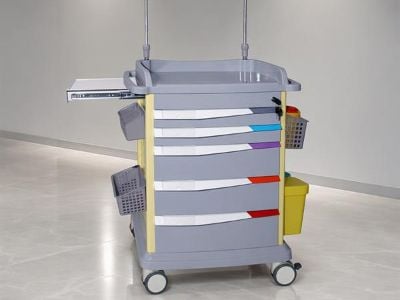
When sourcing a medical crash cart trolley, it’s essential to understand the key features that ensure the cart meets the rigorous demands of emergency medical environments. Medical crash cart trolleys are critical for providing immediate access to essential medical supplies during emergencies, and the right choice can greatly impact patient outcomes. This article will guide purchasing managers and medical facility administrators in identifying must-have features, specifications, and cost factors to consider when sourcing medical crash cart trolleys.
Must-Have Specifications for Medical Crash Cart Trolleys
When evaluating medical crash cart trolleys, several specifications should be prioritized to ensure optimal functionality and safety.
Dimensions and Capacity: The dimensions of the trolley should be suitable for the designated space in your facility, while the capacity must be adequate to hold all necessary medical supplies and equipment. Standard crash trolley typically range from 36 to 48 inches in height and 18 to 24 inches in width.
Weight Capacity: Consider the maximum load the trolley can support. A robust crash cart should be able to handle the weight of heavy medical equipment, which can exceed 300 pounds, without compromising stability.
Material Quality: Trolleys are often made from high-grade stainless steel, aluminum, or plastic. Stainless steel is preferred for its durability and ease of cleaning, which is crucial in maintaining hygiene standards in medical environments.
Wheels and Maneuverability: Look for trolleys equipped with swivel wheels and locking mechanisms. This feature enhances maneuverability in tight spaces and ensures the medical crash trolley can be securely positioned during use.
Key Features to Consider When Sourcing Medical Crash Cart Trolleys
Apart from specifications, certain features enhance the functionality and usability of medical crash cart trolleys.
Drawer Configuration: A well-organized drawer system is vital. Consider crash cart trolley with multiple drawers of varying sizes to accommodate different supplies, from medications to larger equipment. Transparent or color-coded drawer fronts can improve visibility and quick access during emergencies.
Ergonomics: The design should promote ease of use. Ergonomic handles and a user-friendly layout minimize strain on medical staff during high-pressure situations.
Locking Mechanisms: Security features, such as lockable drawers, help prevent unauthorized access to medications and sensitive equipment. Ensure that these locks are easy to operate but secure enough to deter tampering.
Customization Options: Some manufacturers, like XIEHE, offer customization services. This flexibility allows you to tailor the trolley to your specific needs, whether that involves additional storage compartments or specific color coding for different departments.
Cost Factors to Consider When Purchasing Medical Crash Cart Trolleys
Incorporating a detailed understanding of cost factors can aid in making informed purchasing decisions.
Initial Cost vs. Long-Term Value: While it may be tempting to opt for the lowest-priced option, consider the long-term value. Investing in high-quality materials and construction can reduce replacement costs and maintenance issues over time.
Supplier Reputation: Choosing a reputable manufacturer like XIEHE, known for its ISO13485 certification and extensive experience in medical equipment manufacturing, can ensure that you are getting a reliable product. Suppliers with strong quality control processes can often justify higher upfront costs due to their reduced risk of defects and failures.
Shipping and Handling Fees: Factor in the logistics of transporting the trolley to your location. Shipping charges can vary based on weight, dimensions, and delivery distance, so it’s important to factor these into your total cost analysis.
Maintenance Costs: Consider the potential costs associated with maintaining the trolley over its lifespan. Products that require frequent repairs or replacements can significantly increase total ownership costs.
What You Need to Know?
When preparing to source medical crash cart trolleys, there are a few key pieces of information you should gather beforehand:
Specifications: Clearly define the specifications required for your facility, including dimensions, weight capacity, and material preferences.
Usage Environment: Understand the specific environments in which the trolley will be used. For example, if the trolley is intended for outdoor use or in environments where it may be exposed to moisture, additional considerations for corrosion resistance and durability are necessary.
Regulatory Compliance: Ensure that the products you are considering meet all necessary regulatory standards, including TUV and CE certifications, to guarantee safety and efficacy in medical applications.
Expected Lead Times: Inquire about lead times for production and delivery, especially if you require customized options.
Common Problems with Medical Crash Cart Trolleys and Their Solutions
Several common issues can arise with medical crash carts, and understanding these can help you make a more informed purchasing decision.
Stability Issues: Some lower-quality trolleys may tip over if not properly designed. To mitigate this risk, select trolleys with a low center of gravity and a wide base to enhance stability.
Wear and Tear: Trolleys can suffer from wear over time, particularly in high-use environments. Investing in durable materials and finishes can help reduce wear and extend the trolley's lifespan.
Difficulty in Cleaning: Inadequate design may hinder effective cleaning. Ensure that the trolley has smooth surfaces and minimal crevices to facilitate easy cleaning and disinfection, which is critical in medical settings.
Insufficient Storage: Many buyers initially underestimate their storage needs. It’s advisable to plan for future growth and include additional storage options in your selection criteria.
By keeping these considerations in mind, purchasing managers, distributors, and medical facility administrators can make informed decisions when sourcing medical crash cart trolleys. The right trolley can significantly impact the efficiency of emergency response in medical settings, so thorough evaluation and understanding of specifications, features, and costs are critical to selecting the best option for your needs.
