
 EN
EN
 AR
AR
 CS
CS
 DA
DA
 NL
NL
 FI
FI
 FR
FR
 DE
DE
 EL
EL
 HI
HI
 IT
IT
 JA
JA
 KO
KO
 NO
NO
 PL
PL
 PT
PT
 RU
RU
 ES
ES
 SV
SV
 TL
TL
 ID
ID
 LT
LT
 SK
SK
 VI
VI
 TR
TR
 FA
FA
 GA
GA
 IS
IS
 HY
HY
 EU
EU
 KA
KA
 HT
HT
 BN
BN
 LO
LO
 LA
LA
 MN
MN
 NE
NE
 ZU
ZU
 MY
MY
 KK
KK

Radiolucency in medical-grade body splint kits is a critical requirement that ensures effective imaging during emergency medical situations. For purchasing managers, engineers, and healthcare professionals, understanding these requirements is essential for obtaining reliable equipment that meets both regulatory standards and practical applications. This article will delve into the key considerations for radiolucency in body splint kits, helping buyers make informed decisions based on performance, cost, and application suitability
What to Look for in Radiolucency Requirements for Body Splint Kits
Radiolucency refers to a material's ability to allow X-rays or other forms of radiation to pass through it without significant obstruction. In the context of body splint kits, high radiolucency is crucial for enabling accurate imaging of injuries without interference from the splint itself. When evaluating radiolucency requirements, consider the following factors
Material Composition: Materials used in body splints, such as polyethylene or certain composites, should be evaluated for their radiolucent properties. Ensure that the material does not contain metal components that can obscure images
Thickness and Density: Thinner and less dense materials generally offer better radiolucency. However, balance this with the need for adequate support and protection for the injured area
Certification: Ensure that the body splint kits are certified under relevant medical device regulations, such as CE and FDA standards. This ensures compliance with safety and performance standards
Testing and Validation: Inquire whether the manufacturer conducts specific radiolucency tests and provides validation data. This information can be crucial for compliance with medical imaging requirements
Understanding these requirements will help buyers select products that not only meet regulatory standards but also function effectively in emergency medical scenarios
How to Choose the Right Medical-Grade Body Splint for Your Needs
Selecting the right medical-grade body splint involves several considerations beyond just radiolucency. Here are key aspects to evaluate
Intended Use: Determine the specific applications for the splint, such as immobilization of fractures, support for soft tissue injuries, or use in pre-hospital settings. Different scenarios may require different types of splints
Size and Dimensions: Ensure the splint kit comes in various sizes to accommodate different patient anatomies. Adjustable splints can offer versatility, making them suitable for multiple situations
Weight and Portability: For emergency responders, lightweight and easily transportable splints can enhance efficiency in critical situations
Customization Options: Some manufacturers offer customization capabilities, allowing buyers to tailor dimensions, materials, or additional features according to specific needs
User-Friendliness: Evaluate how easy the splint is to apply and remove. For first responders, simplicity can significantly impact the speed and effectiveness of care
Considering these factors will ensure that the selected body splint kit meets the specific needs of the healthcare setting, enhancing patient outcomes during emergencies
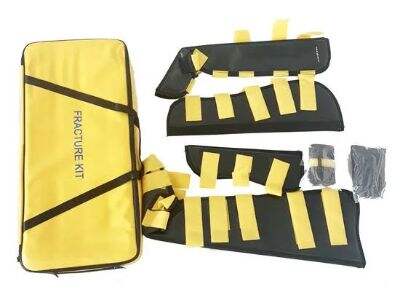
Evaluating Cost Factors for Bulk Orders of Medical Body Splints
When purchasing medical body splints in bulk, cost considerations play a significant role. Here are some factors to keep in mind
Unit Pricing: Bulk orders typically qualify for discounted pricing. Always request quotes from multiple suppliers to compare unit costs effectively
Shipping and Handling: Factor in shipping costs, especially for large orders. Some suppliers may offer free shipping for bulk orders, which can significantly influence total costs
Lead Times: Understand the lead times associated with bulk orders. Custom orders may require longer production times, which can affect inventory management
Quality Assurance: Lower prices may sometimes reflect compromised quality. Ensure that the supplier adheres to quality standards, such as ISO13485, which indicates a commitment to quality management in medical devices
Inventory Management: Consider the shelf life and storage requirements of splint kits, as this can affect overall costs. Products with longer shelf lives can minimize waste and maximize inventory turnover
By carefully evaluating these cost factors, purchasing managers can make informed decisions that align with budget constraints while ensuring the procurement of high-quality medical equipment
Common Problems with Body Splint Kits and Their Solutions
Like any medical product, body splint kits can present challenges. Here are common issues and potential solutions
Material Failure: Some materials may not withstand the rigors of emergency use. To mitigate this, select splints made from durable, high-quality materials that can endure various environmental conditions
Sizing Issues: Inadequate sizing can lead to improper fit and ineffective support. To address this, ensure the splint kit includes a range of sizes or adjustable options to accommodate diverse patient needs
Difficulty in Application: Complexity in using certain splints can lead to delays in treatment. Opt for splints designed for quick application and that require minimal training for first responders
Limited Radiolucency: If a splint obscures imaging, it can hinder diagnosis. Choose products with verified radiolucent properties and ensure they meet imaging standards
Incompatibility with Other Equipment: Some splints may not work well with other medical equipment. Always check compatibility with imaging equipment or other tools used in conjunction with the splint
By addressing these common issues through careful product selection and supplier evaluation, healthcare providers can enhance the efficiency and effectiveness of emergency medical care
Applications of Radiolucent Body Splint Kits in Healthcare Settings
Radiolucent body splint kits are utilized across various healthcare settings, each with distinct applications
Emergency Medical Services (EMS): In pre-hospital settings, radiolucent splints allow for immediate immobilization of injuries without hindering diagnostic imaging, which is critical for decision-making during transport
Trauma Units: Hospitals use these splints to stabilize patients with fractures or dislocations, ensuring that imaging can occur without delay or confusion caused by non-radiolucent materials
Sports Medicine: In athletic environments, radiolucent splints provide a means to protect injured limbs while allowing for rapid assessment and imaging, essential for timely treatment
Pediatric Care: Specially designed radiolucent splints for children can accommodate their unique anatomical needs, ensuring that care is both effective and comfortable
Disaster Response: In situations where every second counts, such as natural disasters, having readily available radiolucent splint kits can facilitate swift and effective care for multiple victims
By recognizing these applications, healthcare providers can better prepare for emergencies and enhance their response capabilities in critical situations
In summary, understanding the radiolucency requirements and related factors for medical-grade body splint kits is essential for B2B buyers in the healthcare sector. By focusing on material quality, size variability, cost evaluation, and common challenges, purchasing managers can make informed decisions that ultimately lead to better patient care during emergencies
Table of Contents
- What to Look for in Radiolucency Requirements for Body Splint Kits
- How to Choose the Right Medical-Grade Body Splint for Your Needs
- Evaluating Cost Factors for Bulk Orders of Medical Body Splints
- Common Problems with Body Splint Kits and Their Solutions
- Applications of Radiolucent Body Splint Kits in Healthcare Settings
