
 EN
EN
 AR
AR
 CS
CS
 DA
DA
 NL
NL
 FI
FI
 FR
FR
 DE
DE
 EL
EL
 HI
HI
 IT
IT
 JA
JA
 KO
KO
 NO
NO
 PL
PL
 PT
PT
 RU
RU
 ES
ES
 SV
SV
 TL
TL
 ID
ID
 LT
LT
 SK
SK
 VI
VI
 TR
TR
 FA
FA
 GA
GA
 IS
IS
 HY
HY
 EU
EU
 KA
KA
 HT
HT
 BN
BN
 LO
LO
 LA
LA
 MN
MN
 NE
NE
 ZU
ZU
 MY
MY
 KK
KK
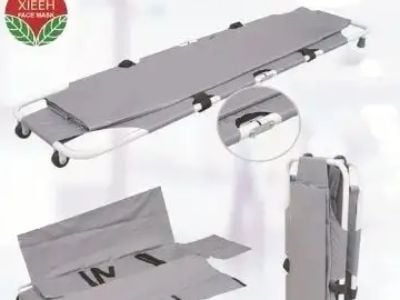
When it comes to patient transport in emergency medical situations, two critical tools often come into consideration: trauma spinal boards and immobilization mattresses. The debate surrounding “Trauma Spinal Board VS Immobilization Mattress: Pros & Cons for Patient Transport” is vital for purchasing managers, medical professionals, and emergency responders. Buyers are primarily concerned about patient safety, transport efficiency, and the specific applications of each product. This article will provide an in-depth comparison of these two vital transport solutions, helping you make an informed decision for your medical facility or emergency services
How to Choose the Right Patient Transport Solution for Your Needs
Selecting the optimal patient transport solution involves evaluating several factors, including application requirements, patient condition, and logistical considerations. Trauma spinal boards are particularly effective for patients with suspected spinal injuries as they provide rigid stabilization to prevent further injury during transport. They typically feature a lightweight design, often made from high-density polyethylene, ensuring they are both durable and easy to handle
On the other hand, immobilization mattresses are versatile solutions suitable for various patient conditions, including those requiring comfort during transport. These mattresses often consist of foam or gel, conforming to the patient's body while maintaining spinal alignment. For patients in need of extended transport, such as those requiring transport over long distances, the mattress may provide a higher level of comfort and support
Buyers should assess the specific needs of their operations, including the types of conditions frequently encountered, the weight capacity of the transport solution, and compatibility with existing equipment. Consulting with manufacturers, such as XIEHE, can provide insights into the latest designs and materials tailored to specific medical environments
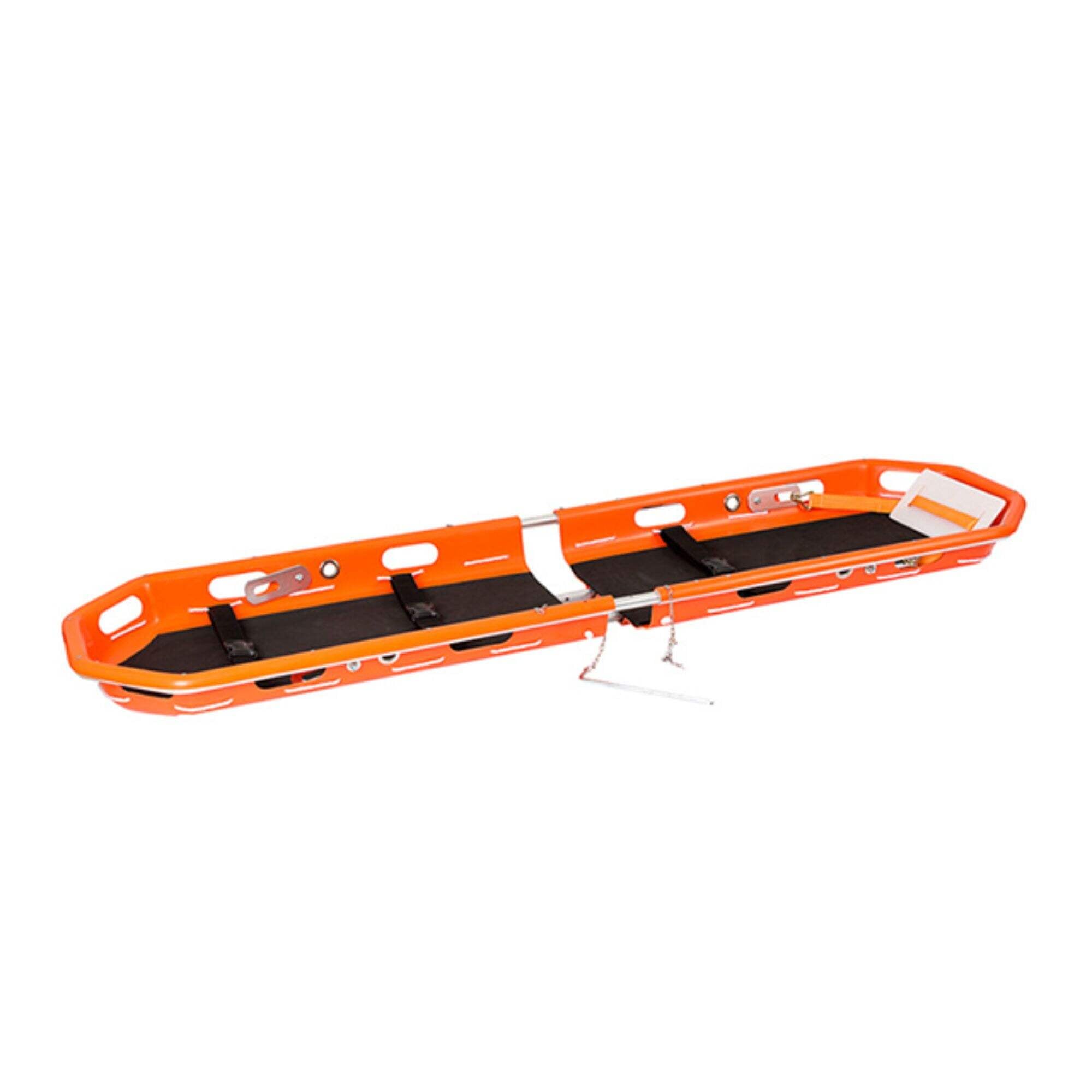
Where to Find Reliable Suppliers for Trauma Boards and Transport Mattresses
Finding reliable suppliers for trauma spinal boards and immobilization mattresses is crucial for ensuring quality and compliance with industry standards. Start by researching manufacturers with a proven track record in medical equipment production. Look for suppliers that hold relevant certifications, such as ISO13485, TUV, CE, and FDA certifications, as they reflect a commitment to quality and safety in manufacturing processes
Additionally, consider suppliers that offer comprehensive product specifications, including product dimensions, weight capacity, and material composition. Engaging with manufacturers that provide ODM and OEM services, like XIEHE, can also be beneficial, especially if customization is required to meet specific operational needs
Networking within medical trade shows or industry conferences can help identify potential suppliers. It’s also advisable to check online marketplaces or directories that specialize in medical equipment to compare offerings and read reviews from other buyers to gauge reliability and product performance
Common Problems with Patient Transport Solutions and Their Effective Solutions
Patient transport solutions can encounter several challenges, which can impact both patient safety and operational efficiency. Common issues include inadequate support during transport, difficulty in securing the patient, and material wear and tear over time
To mitigate these problems, buyers should ensure that trauma spinal boards and mattresses are made from high-quality, durable materials that can withstand regular use. Regular inspections and maintenance should be scheduled to check for wear and ensure that all securing mechanisms, such as straps and buckles, are functioning correctly
It's also essential to provide proper training for staff on the correct usage of these transport solutions. This training should cover how to secure patients effectively and how to handle equipment to avoid damaging it during transport. For organizations like XIEHE, customer feedback can be integral to refining product designs and addressing common use challenges
Applications for Trauma Spinal Boards vs. Mattresses in Emergency Situations
Understanding the applications of trauma spinal boards versus immobilization mattresses is essential for effective patient care. Trauma spinal boards are specifically designed for instances where spinal injuries are suspected. They allow emergency responders to stabilize the patient’s spine, minimizing movement during transport. These boards can also be equipped with straps and head Immobilizers to further secure the patient
Immobilization mattresses, however, serve a broader purpose. They can be used for a variety of situations where patient comfort is paramount, such as for non-critical patients or those requiring longer transport times. Their design allows for easy loading onto ambulances and can be beneficial in scenarios where quick transport is necessary without compromising patient comfort
When evaluating applications, consider the environment in which the transport will occur. For example, trauma spinal boards are often preferred in rugged outdoor environments where stability is crucial, while mattresses may be more suitable for urban settings or situations where comfort during transport is a priority
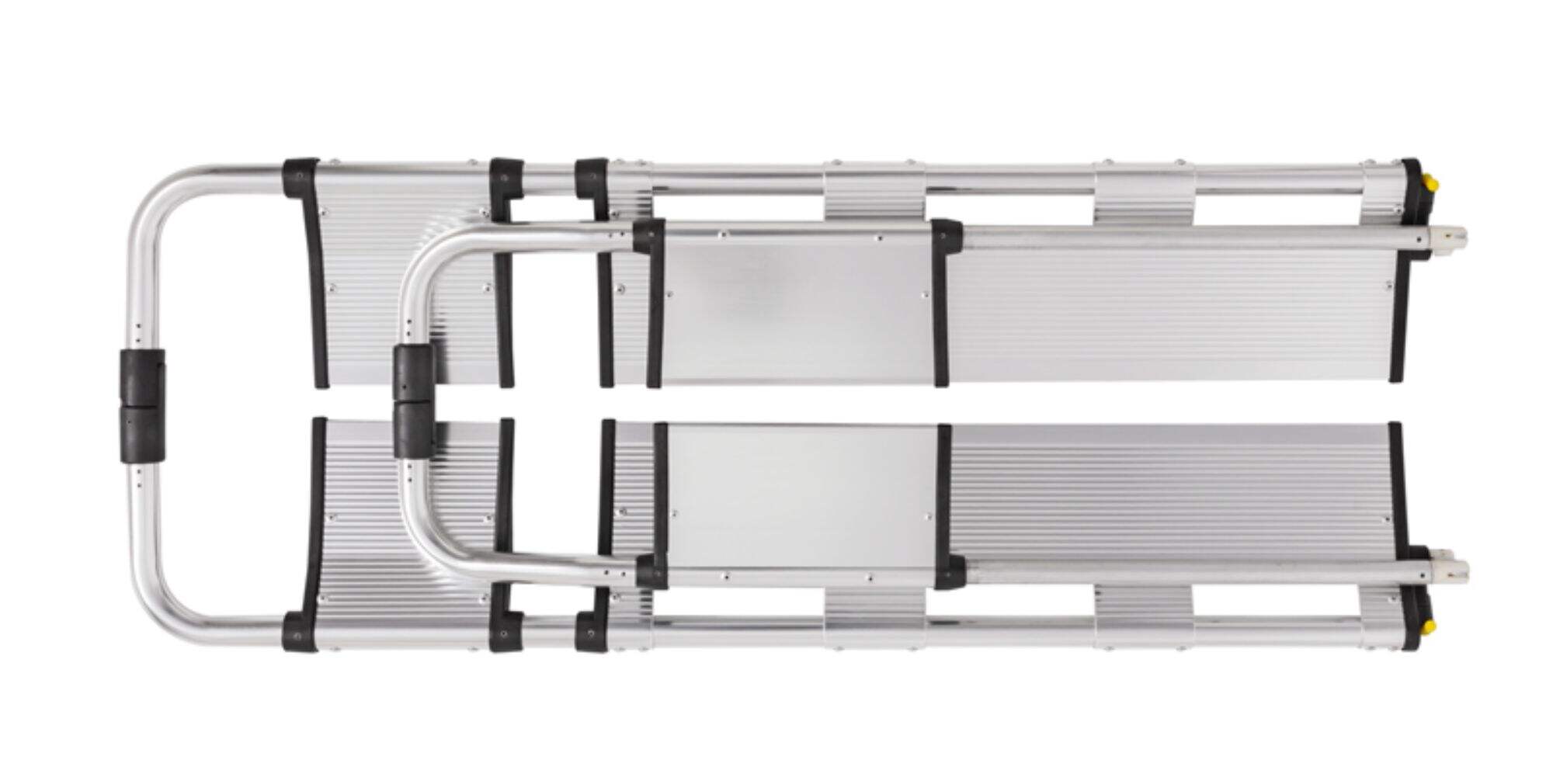
Wholesale Ordering Tips for Trauma Spinal Boards and Transport Mattresses
When ordering trauma spinal boards and immobilization mattresses in bulk, buyers should consider several key factors to ensure they receive the best products for their needs. First, establish the required quantity based on your facility's operational demands. This can influence pricing, as many manufacturers offer discounts for bulk orders
Next, confirm product specifications, including dimensions, weight capacity, and material types, to ensure compatibility with existing equipment. When requesting quotes, provide detailed information about your specific needs, including expected delivery timelines, preferred customization options, and any certifications required for compliance
Additionally, consider the lead time for production and shipping. Suppliers like XIEHE, with established manufacturing capabilities and a global export network, can often provide quicker turnaround times, which is vital in emergency medical situations
Lastly, requesting samples before placing a large order can be beneficial. It allows you to evaluate the product's performance and quality under real-world conditions, ensuring that it meets your expectations before committing to a larger purchase
By following these guidelines, buyers can navigate the complexities of sourcing trauma short spinal boards and immobilization mattresses, making informed decisions that align with their operational needs and patient safety standards
Table of Contents
- How to Choose the Right Patient Transport Solution for Your Needs
- Where to Find Reliable Suppliers for Trauma Boards and Transport Mattresses
- Common Problems with Patient Transport Solutions and Their Effective Solutions
- Applications for Trauma Spinal Boards vs. Mattresses in Emergency Situations
- Wholesale Ordering Tips for Trauma Spinal Boards and Transport Mattresses
