
 EN
EN
 AR
AR
 CS
CS
 DA
DA
 NL
NL
 FI
FI
 FR
FR
 DE
DE
 EL
EL
 HI
HI
 IT
IT
 JA
JA
 KO
KO
 NO
NO
 PL
PL
 PT
PT
 RU
RU
 ES
ES
 SV
SV
 TL
TL
 ID
ID
 LT
LT
 SK
SK
 VI
VI
 TR
TR
 FA
FA
 GA
GA
 IS
IS
 HY
HY
 EU
EU
 KA
KA
 HT
HT
 BN
BN
 LO
LO
 LA
LA
 MN
MN
 NE
NE
 ZU
ZU
 MY
MY
 KK
KK
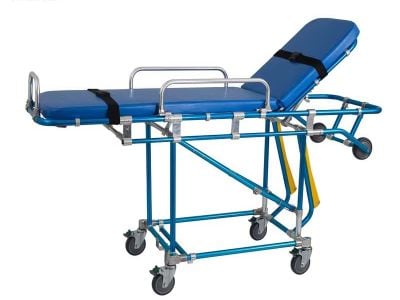
When it comes to selecting an ambulance stretcher bed, understanding the weight-bearing and anti-collision requirements is crucial for ensuring patient safety and comfort during transport. These specifications directly impact the stretcher's performance, durability, and compliance with industry standards. This article addresses the key considerations B2B buyers, such as purchasing managers and healthcare facility operators, should keep in mind when evaluating ambulance stretcher beds. We will explore quality standards, anti-collision features, cost factors, material advantages, and practical applications of weight-bearing stretcher beds in emergency services.
Evaluating Quality Standards for Ambulance Stretcher Bed Suppliers
When sourcing ambulance stretcher beds, it is essential to evaluate suppliers on their adherence to recognized quality standards. Look for manufacturers that hold certifications like ISO13485, which indicates compliance with international quality management systems specific to medical devices. Additionally, certifications from TUV, CE, and FDA signify that the ambulance stretcher bed meet stringent safety and efficacy requirements. Potential buyers should also assess the supplier’s quality control processes, including regular inspections and testing protocols during manufacturing. A reputable supplier will provide detailed documentation of their quality assurance practices, allowing buyers to verify that the stretcher beds can withstand the rigors of emergency use. Conducting site visits or audits can further enhance confidence in the supplier's capabilities and commitment to quality.
Understanding Anti-Collision Features in Emergency Stretchers
Anti-collision features are critical for ensuring the safety of both the patient and medical staff during transport. These features typically include mechanisms that prevent the stretcher from colliding with walls, doors, or other obstacles in bright and narrow emergency environments. Look for stretchers equipped with advanced safety systems, such as sensors that detect proximity to objects and automatic braking capabilities. Additionally, consider the design of the stretcher. A well-designed stretcher will have rounded edges and a low profile to minimize the risk of snags or hits during maneuvering. The integration of these anti-collision features can significantly reduce the likelihood of injury to the patient and enhance the efficiency of emergency response teams.
Cost Factors to Consider When Purchasing Stretcher Beds in Bulk
When purchasing ambulance stretcher beds in bulk, several cost factors should be taken into account beyond the unit price. First, consider the total cost of ownership, which includes maintenance, durability, and the expected lifespan of the stretchers. High-quality stretchers may have a higher upfront cost but can lead to lower long-term expenses due to reduced repair and replacement needs. Shipping costs and lead times can also affect overall budgeting. Be sure to request detailed quotes that outline shipping fees, potential tariffs, and expected delivery timelines. Additionally, inquire about minimum order quantities (MOQs) as these can influence the total purchase cost, especially when negotiating stretcher bed ambulance orders. Lastly, buyers should assess the potential for customization. Depending on the specific needs of your facility, custom features may incur additional costs but could enhance the functionality of the stretchers in your emergency services settings.
Comparing Material Advantages of Different Stretcher Bed Models
The materials used to manufacture ambulance stretcher beds can significantly impact their performance, weight capacity, and durability. Common materials include aluminum, stainless steel, and high-strength plastics. Each material has distinct advantages and considerations:
Aluminum: Lightweight and corrosion-resistant, aluminum stretchers are easier to handle and transport. However, they may have limitations in weight capacity compared to heavier materials.
Stainless Steel: While heavier, stainless steel provides exceptional strength and durability, making it suitable for high-weight-bearing applications. It is also resistant to rust and easy to clean, which is crucial in medical environments.
High-Strength Plastics: These materials can be molded into complex shapes, allowing for innovative designs. They are typically lighter than metals and can be manufactured to be both strong and comfortable.
Buyers should evaluate the intended use and expected weight load to determine the most appropriate material. Understanding how the material choice affects the stretcher’s weight-bearing capacity and longevity can help ensure that the product meets the operational demands of emergency services.
Applications of Weight-Bearing Stretcher Beds in Emergency Services
Weight-bearing stretcher beds play a vital role in emergency medical services, providing safe and secure transport for patients with varying needs. These stretchers must be capable of accommodating different body types and medical conditions, which is why weight-bearing capacity is a critical specification.
In emergency services, stretchers are used to transport patients from accident sites to ambulances and from ambulances to hospitals. This necessitates a design that allows for easy loading and unloading while maintaining stability and safety. Consideration should also be given to the stretcher's weight capacity, which can vary considerably between models. Ensure that the selected stretcher can handle the maximum expected weight, including any additional medical equipment or personnel. Furthermore, the hospital stretcher bed design should facilitate quick adjustments and configurations, such as height adjustments or the ability to convert into a chair for certain applications. This versatility can be essential in providing effective care during transport, allowing medical professionals to focus on patient needs rather than equipment limitations. By understanding these factors, buyers can make informed decisions when selecting ambulance stretcher beds that meet their operational requirements and enhance patient care during emergencies.
Table of Contents
- Evaluating Quality Standards for Ambulance Stretcher Bed Suppliers
- Understanding Anti-Collision Features in Emergency Stretchers
- Cost Factors to Consider When Purchasing Stretcher Beds in Bulk
- Comparing Material Advantages of Different Stretcher Bed Models
- Applications of Weight-Bearing Stretcher Beds in Emergency Services
