
 EN
EN
 AR
AR
 CS
CS
 DA
DA
 NL
NL
 FI
FI
 FR
FR
 DE
DE
 EL
EL
 HI
HI
 IT
IT
 JA
JA
 KO
KO
 NO
NO
 PL
PL
 PT
PT
 RU
RU
 ES
ES
 SV
SV
 TL
TL
 ID
ID
 LT
LT
 SK
SK
 VI
VI
 TR
TR
 FA
FA
 GA
GA
 IS
IS
 HY
HY
 EU
EU
 KA
KA
 HT
HT
 BN
BN
 LO
LO
 LA
LA
 MN
MN
 NE
NE
 ZU
ZU
 MY
MY
 KK
KK
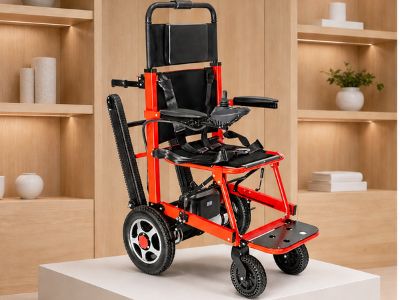
When considering the right ambulance evacuation chair for emergency scenarios, purchasing managers and healthcare facility administrators often find themselves weighing the options between wheeled and track-type models. The selection of the appropriate chair can significantly impact the efficiency of patient transport during critical situations. This article delves into the specifics of wheeled vs. track-type ambulance evacuation chairs, equipping buyers with the knowledge to make informed decisions based on their unique operational requirements
Key Specifications for Wheeled and Track-Type Ambulance Evacuation Chairs
Both wheeled and track-type ambulance evacuation chairs are designed for swift patient transport, but they have different specifications that appeal to varying operational needs
Weight Capacity: Typical wheeled chairs can support a weight capacity ranging from 250 to 500 lbs, depending on the model. Track-type chairs generally offer similar capacities but often provide additional stability for heavier patients due to their design
Dimensions: The width and height of the chairs are critical for maneuverability. Wheeled chairs may be more compact, making them suitable for tight spaces, while track-type chairs might be bulkier but provide a more stable base for transport over uneven surfaces
Material Composition: Both chair types are often made from durable, lightweight materials such as aluminum or high-strength plastic. However, track-type chairs may feature reinforced structures to withstand higher stress during transport, particularly on uneven terrain
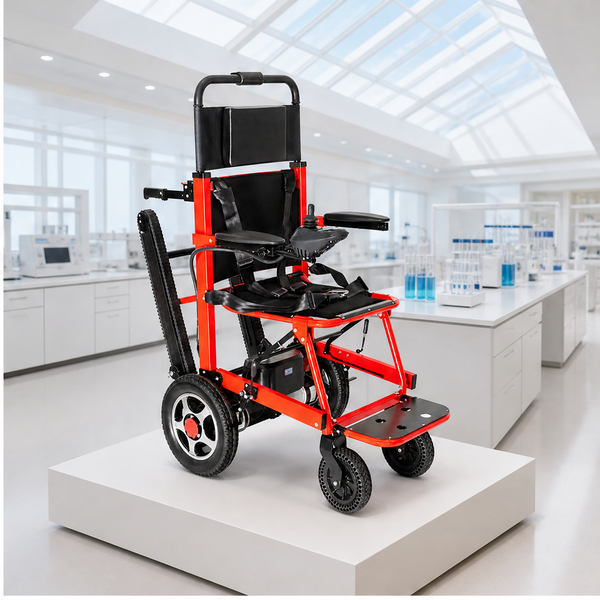
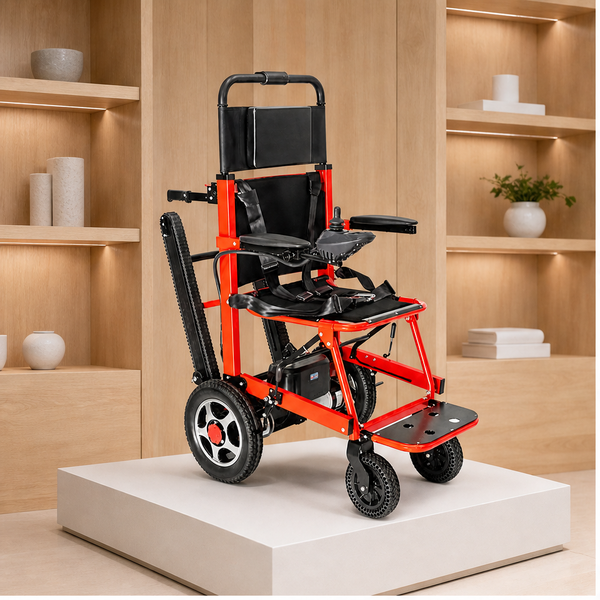
Mobility Mechanism: Wheeled chairs typically feature four wheels for easy navigation, while track-type chairs utilize tracks to glide smoothly across various surfaces. This can be particularly advantageous in emergency scenarios where terrain may be unpredictable
Foldability and Storage: Both models should be designed for easy folding and compact storage. Buyers should verify dimensions when folded to ensure they fit within their transport vehicles or storage areas
Understanding these specifications aids in aligning the selected chair with the specific demands of emergency scenarios faced by healthcare providers
Comparing the Quality of Wheeled vs Track-Type Ambulance Chairs
Quality considerations for both wheeled and track-type chairs encompass material durability, manufacturing processes, and compliance with industry standards
Material Quality: High-grade materials like aluminum not only ensure lightweight construction but also enhance durability. Chairs should have corrosion-resistant finishes to withstand repeated use in various environments
Manufacturing Processes: Look for manufacturers that adhere to strict quality control processes, such as XIEHE's ISO13485 certification, which ensures that the products meet international quality standards
Certifications: Ensure that the chairs possess relevant certifications (TUV, CE, FDA) that demonstrate compliance with safety and performance regulations. Such certifications can be a critical factor in the decision-making process for buyers focused on reliability
User Feedback and Testing: Reviews from current users can provide insight into the long-term performance of the chairs. Testing under actual operating conditions is essential to confirm that the chairs meet performance expectations
By evaluating these quality aspects, buyers can mitigate risks associated with their purchase and ensure they are investing in reliable equipment
How to Evaluate Supplier Reliability for Ambulance Evacuation Chairs
Supplier reliability is crucial when sourcing ambulance motorised evacuation chairs, and several factors should be considered
Experience and Reputation: Look for suppliers with a proven track record in manufacturing medical equipment. Established companies, such as XIEHE, that have been in the industry since 2005 and have a global presence can often offer better reliability
Customer Support: Assess the level of customer service offered. A responsive supplier will provide assistance throughout the purchasing process, from initial inquiries to after-sales support
Production Capacity: Confirm that the supplier has the capability to meet your volume requirements, especially in emergencies. Understanding their minimum order quantity (MOQ) and lead times is essential for planning
Customization Options: Dependable suppliers often provide customization services tailored to specific needs. This includes modifications in design, color, or additional features to better fit the operational requirements
Quality Assurance Processes: Inquire about the supplier’s quality control measures. A reliable supplier should have documented processes that ensure the consistency and safety of their products
By thoroughly evaluating supplier reliability, purchasing managers can make informed decisions that align with their operational demands
Cost Factors Influencing Wheeled and Track-Type Ambulance Chairs
The cost of ambulance evacuation chairs varies significantly based on several factors
Material and Design Complexity: The choice of materials and the complexity of the design directly affect the cost. Lightweight, durable materials may incur higher initial costs but can lead to savings in transport and handling
Manufacturing Location: Prices can differ based on where the chairs are manufactured. Local suppliers may offer quicker delivery times, while overseas manufacturing may reduce costs but could involve longer lead times
Volume Discounts: Purchasing in larger quantities often leads to lower per-unit costs. It's advisable to discuss potential discounts with suppliers when placing bulk orders
Additional Features: Chairs equipped with advanced features such as adjustable height, safety restraints, or enhanced mobility mechanisms typically carry a higher price tag. Buyers should weigh these features against their specific requirements to determine if the investment is justified
Maintenance and Warranty Costs: Consider the long-term costs associated with maintenance and warranties. A slightly higher upfront cost for a chair with a comprehensive warranty may save money in repairs or replacements down the line
Understanding these cost factors allows buyers to budget effectively and choose the best option for their organization
Application Scenarios for Wheeled vs Track-Type Ambulance Chairs
The choice between wheeled and track-type ambulance handicap evacuation chairs often depends on the specific application scenarios encountered in emergency medical services
Urban Environments: In densely populated urban areas with smooth pavement, wheeled chairs may be more effective due to their ease of maneuverability and compact design, allowing for quick patient transport
Rugged Terrain: Track-type chairs excel in off-road conditions or uneven surfaces, such as during natural disasters or rural settings. Their design provides stability and safety when navigating challenging terrains
Limited Space: In facilities with tight corridors, a wheeled chair’s compactness makes it a preferable choice, facilitating easier navigation through narrow spaces
Emergency Situations: In high-stress environments where speed is crucial, the quick deployment of wheeled chairs can save valuable time. However, track-type chairs may be preferred when moving patients from difficult-to-reach locations
Patient Condition: Consider the patient's medical condition. For patients requiring more stability or those who may be heavier, a track-type chair could offer better support during transport
Table of Contents
- Key Specifications for Wheeled and Track-Type Ambulance Evacuation Chairs
- Comparing the Quality of Wheeled vs Track-Type Ambulance Chairs
- How to Evaluate Supplier Reliability for Ambulance Evacuation Chairs
- Cost Factors Influencing Wheeled and Track-Type Ambulance Chairs
- Application Scenarios for Wheeled vs Track-Type Ambulance Chairs
