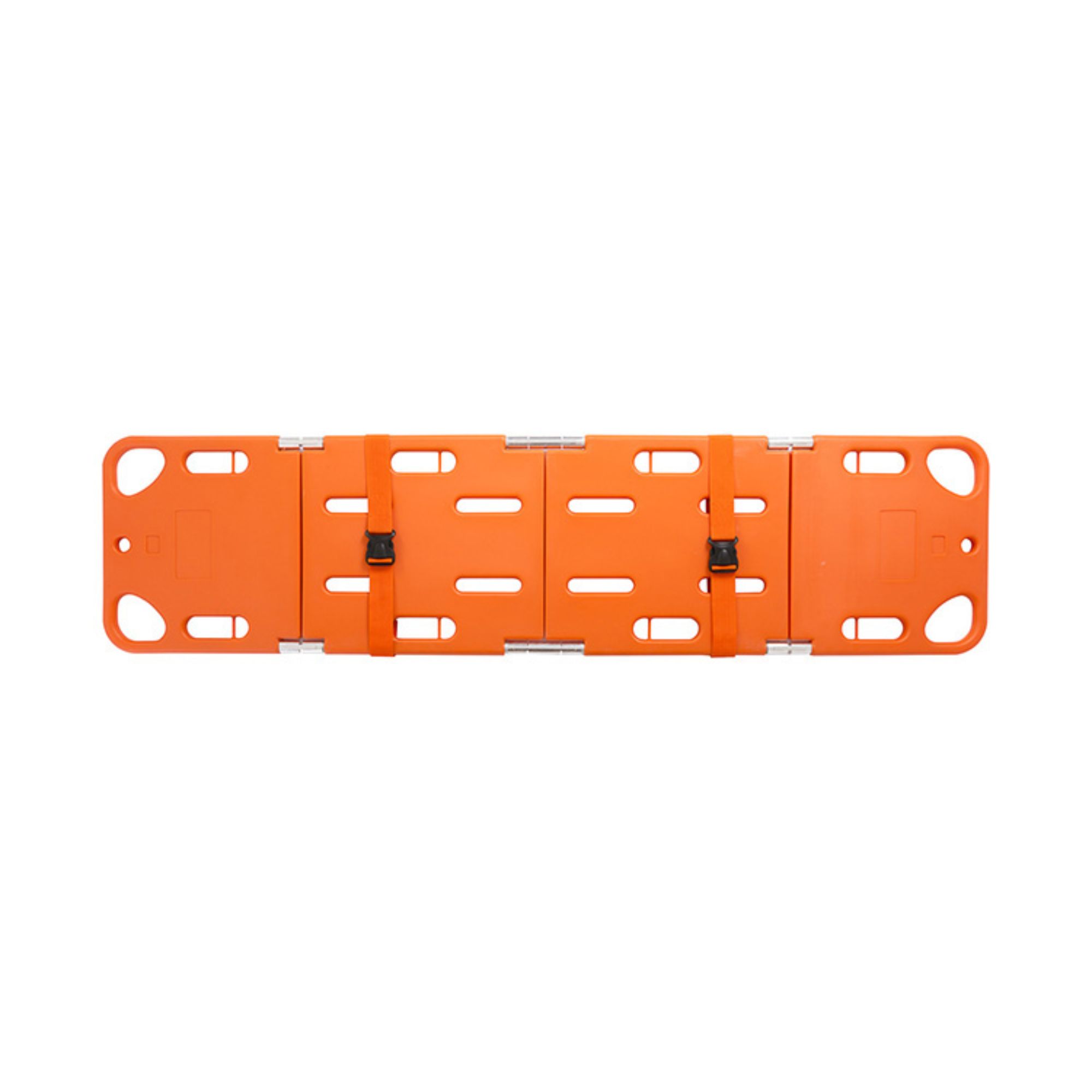
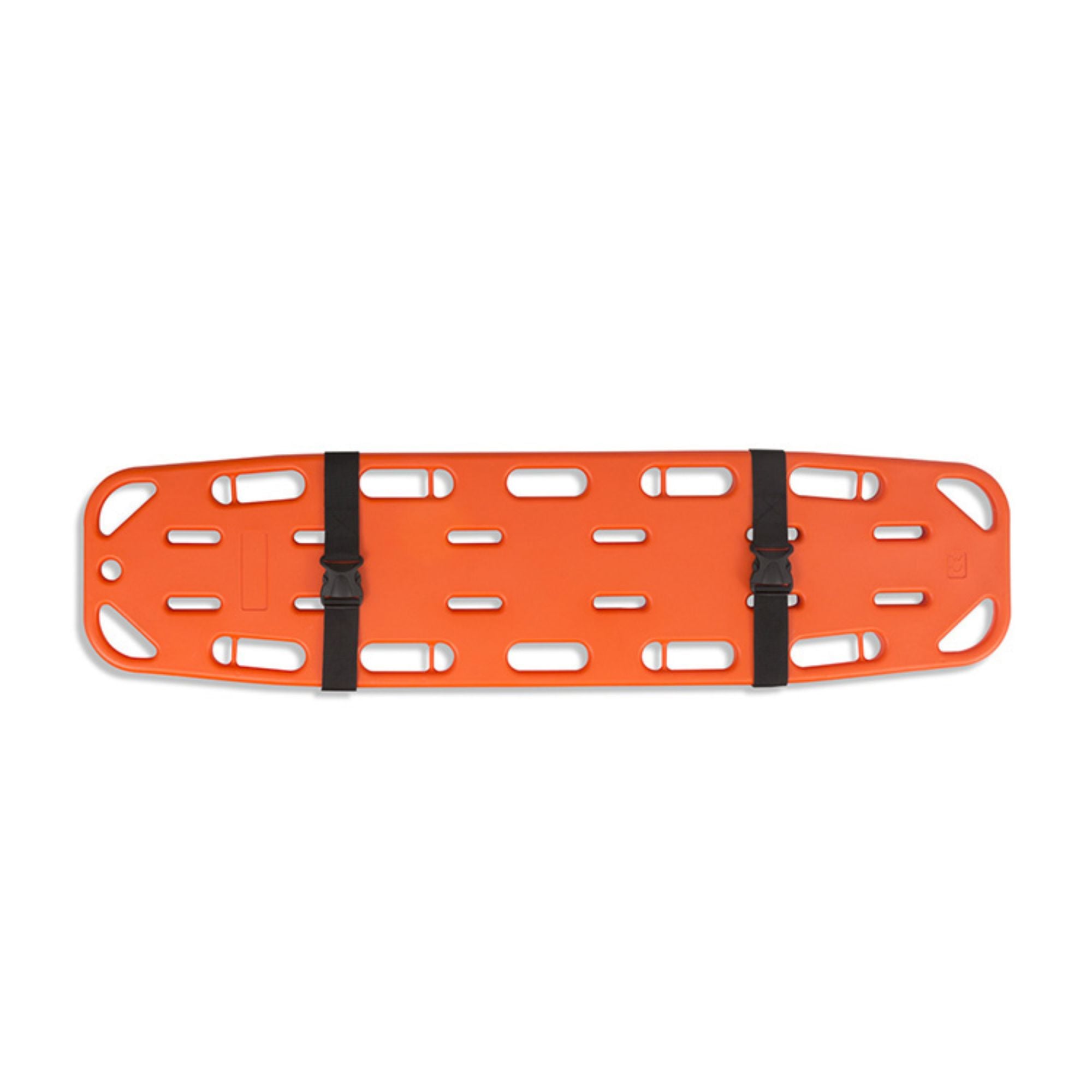
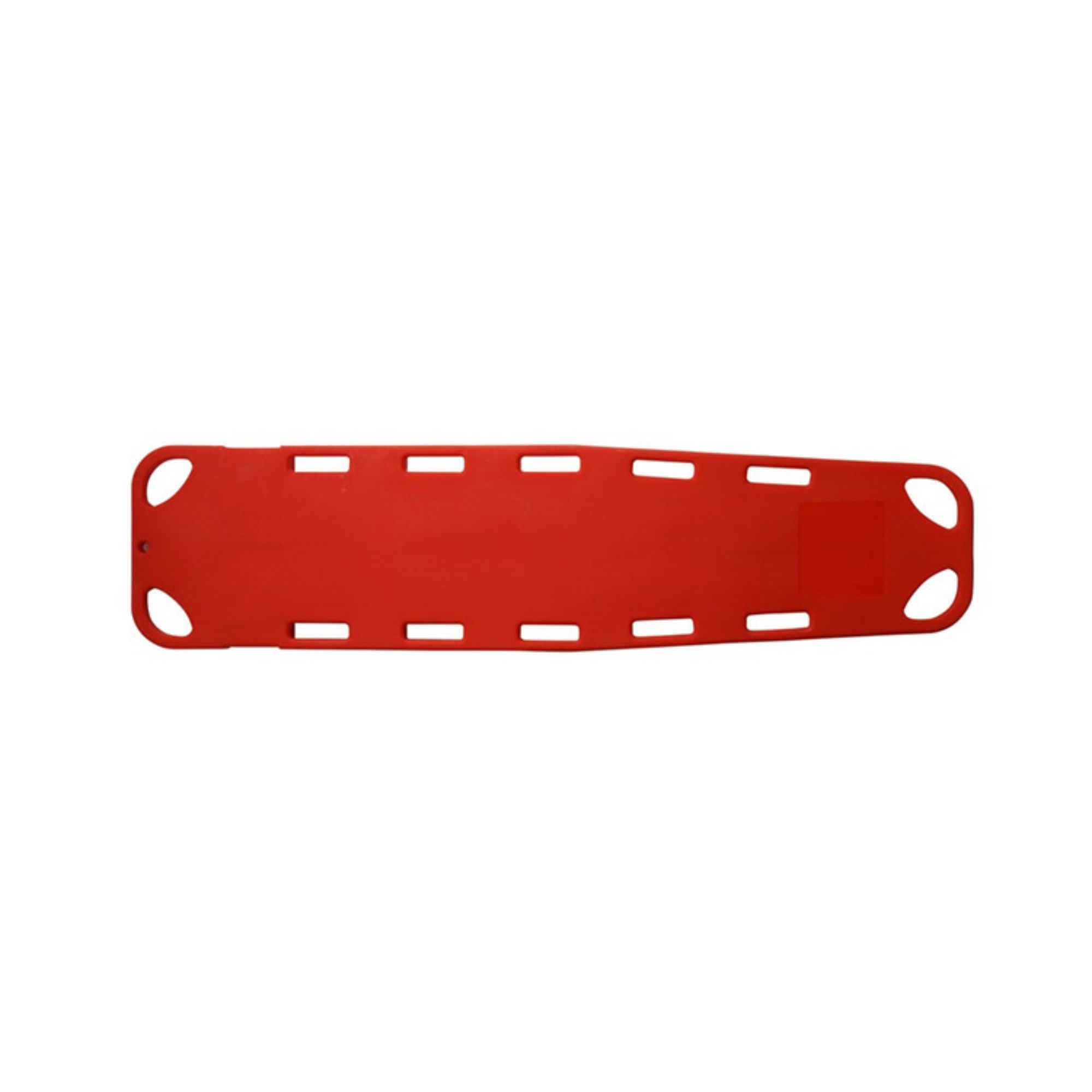
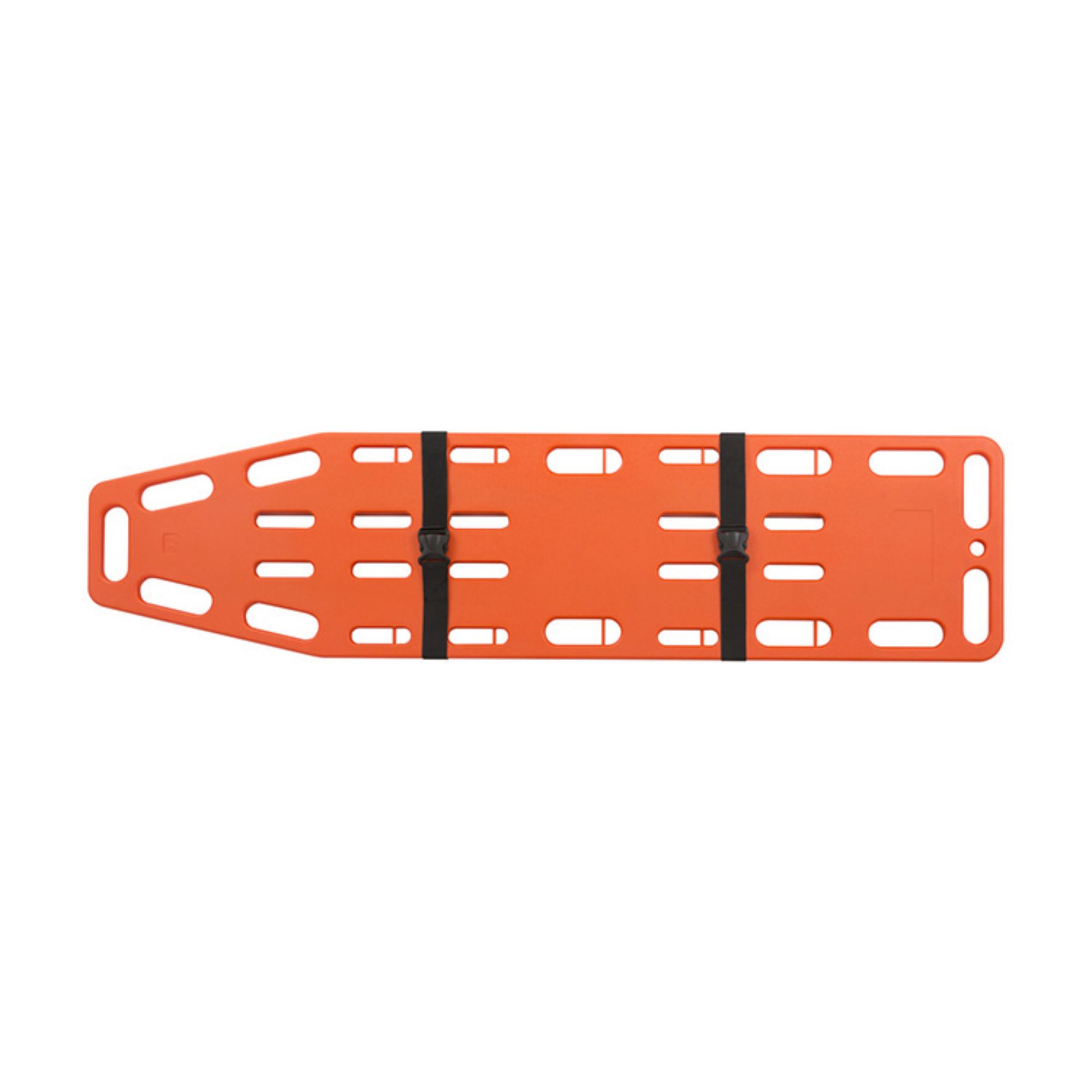
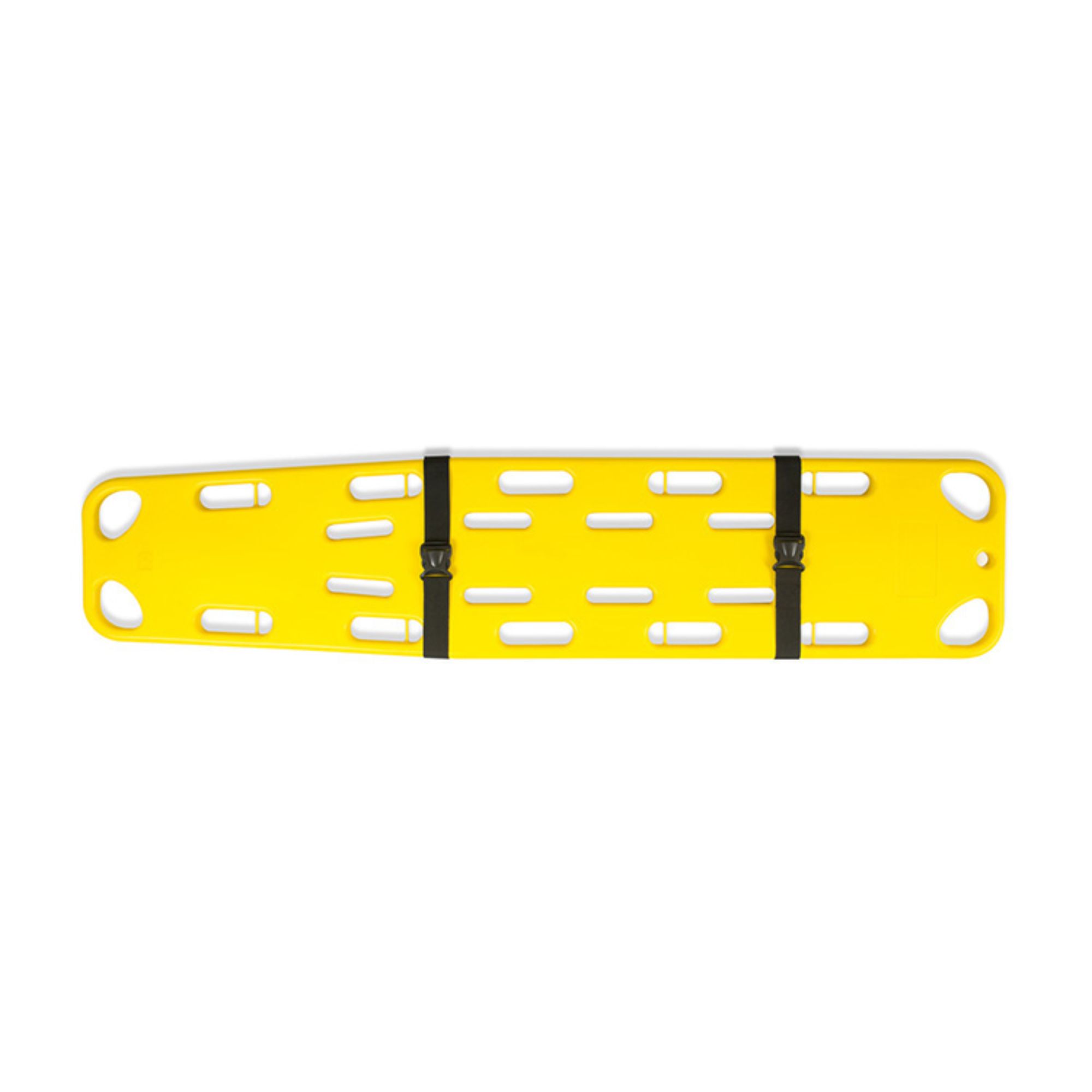
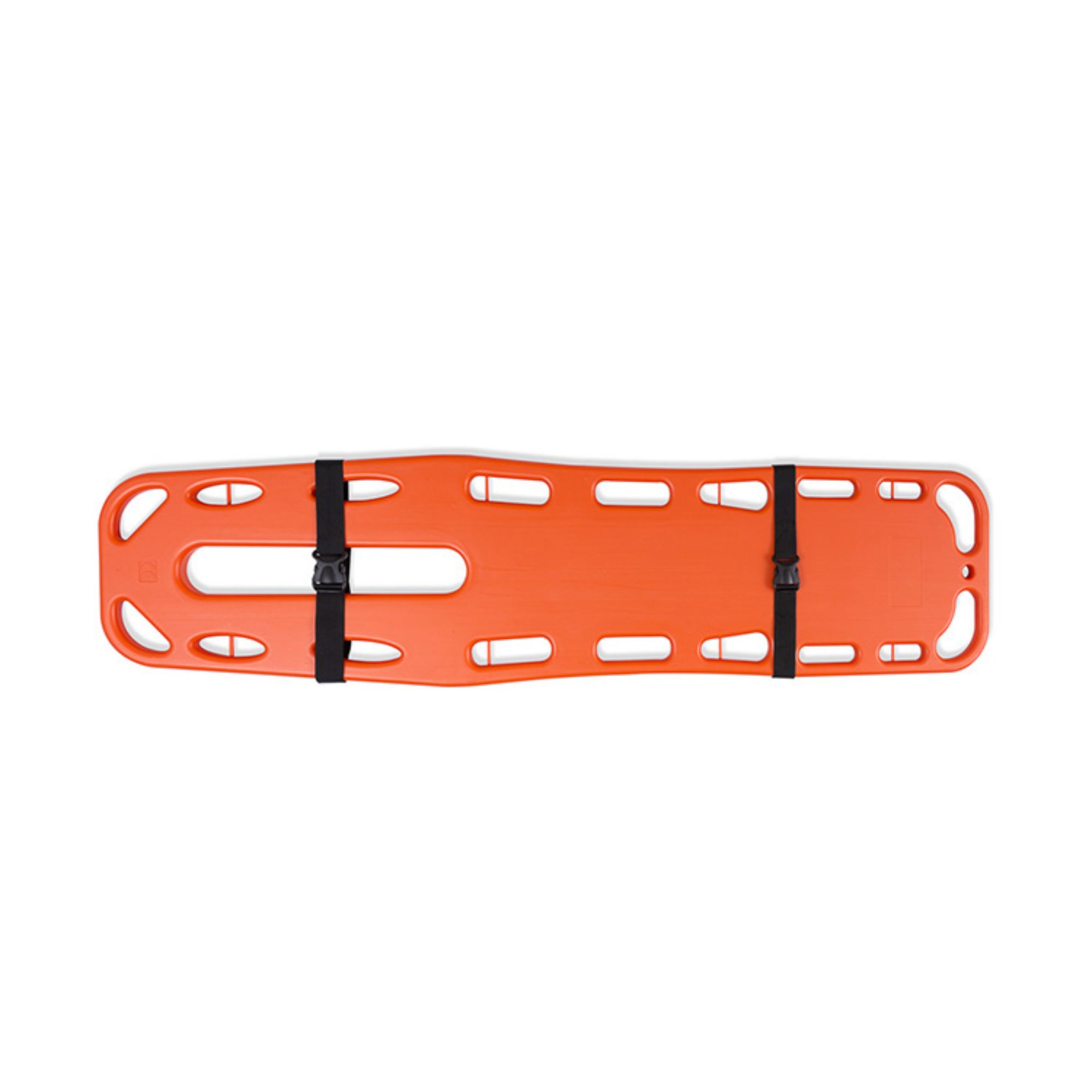
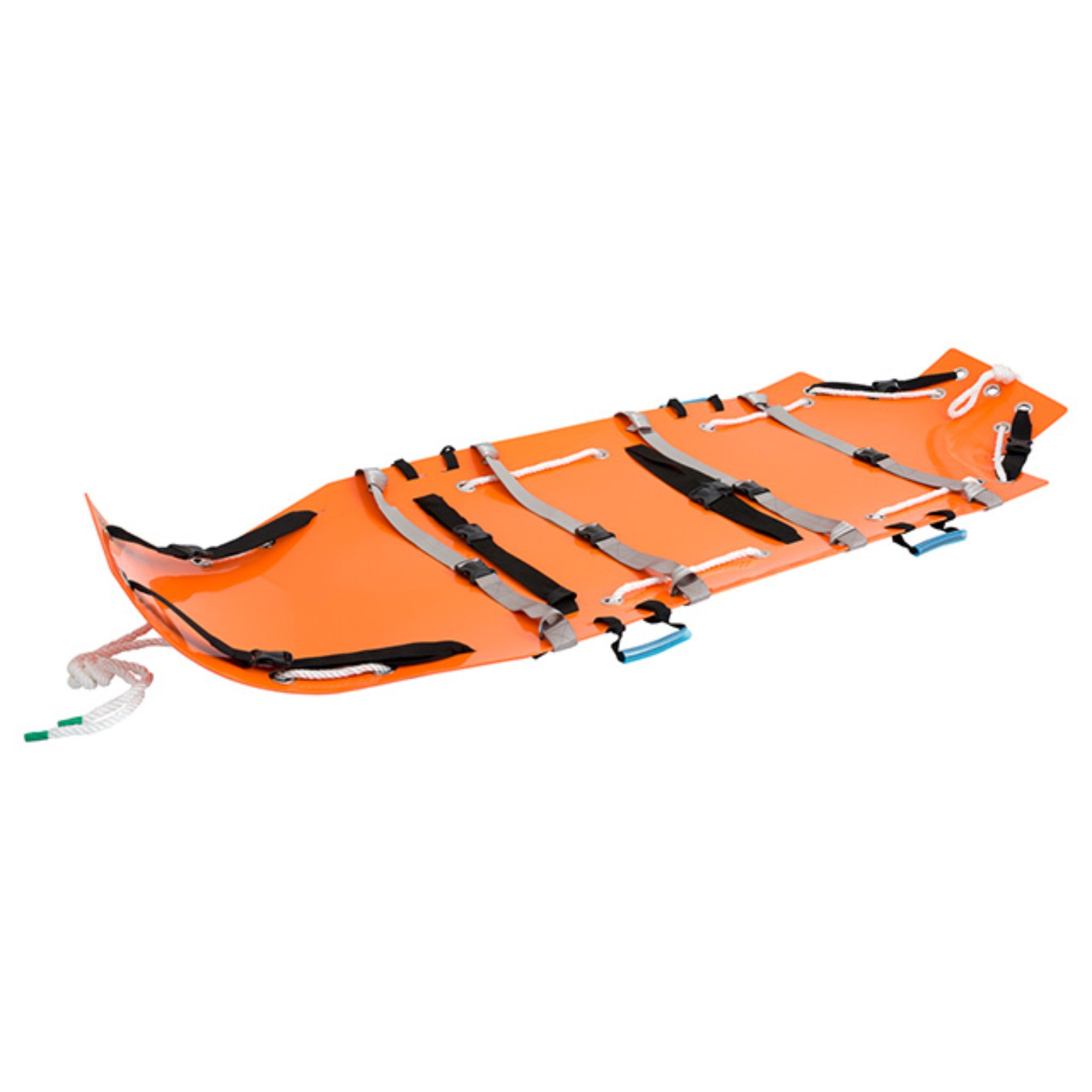
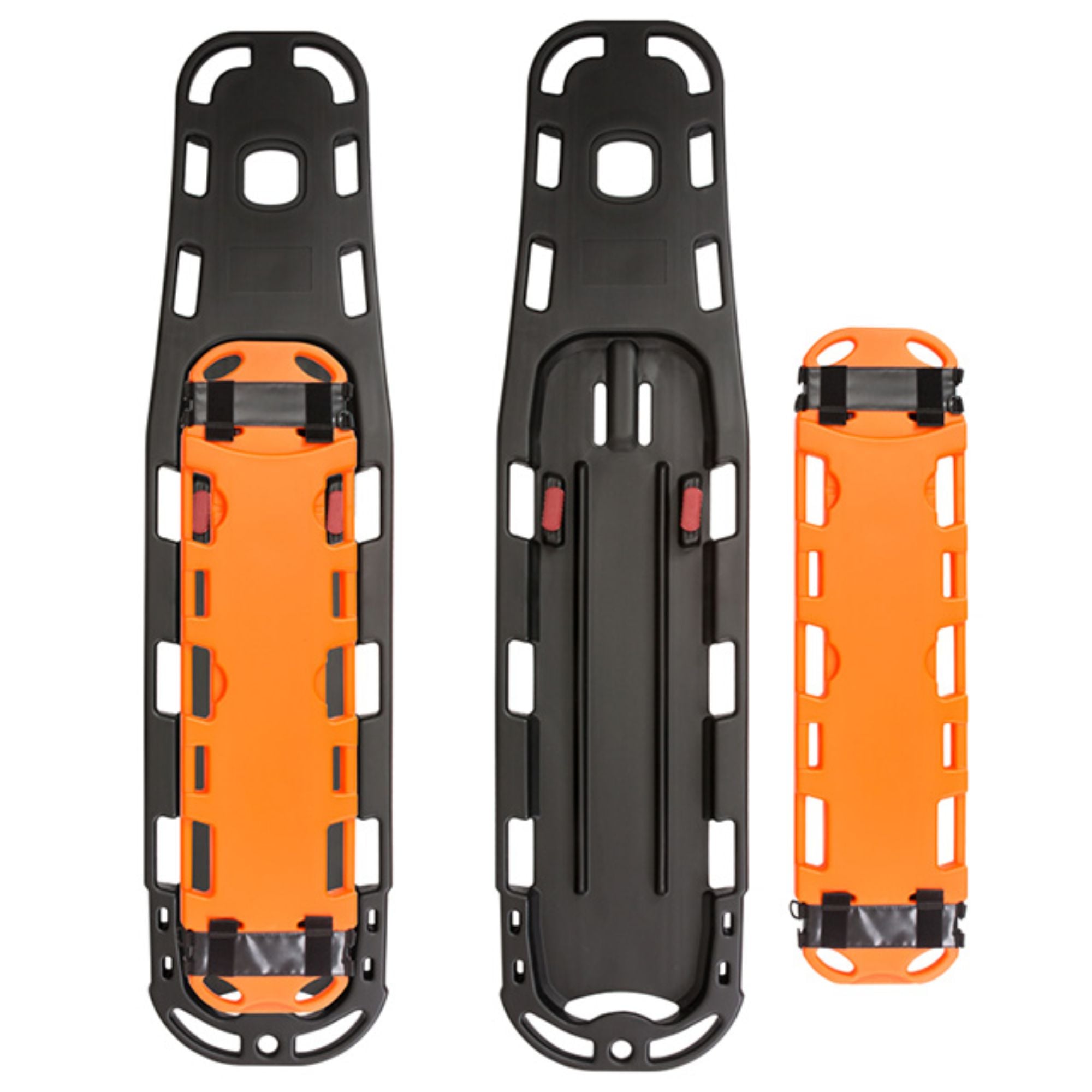
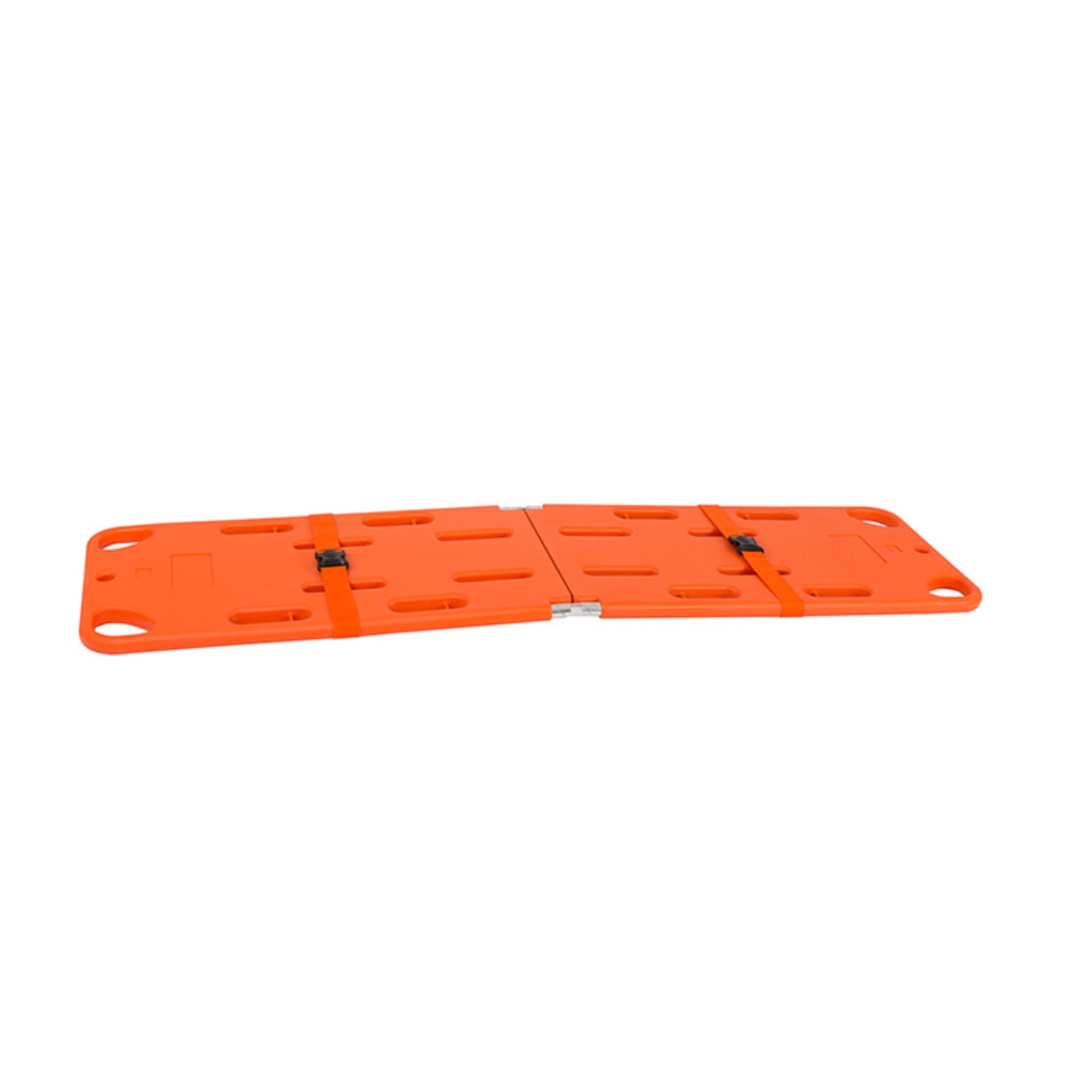
A XIEHE MEDICAL half spine board is a crucial piece of medical equipment designed to immobilize patients with potential spinal injuries during transportation. For B2B buyers, including purchasing managers and distributors, understanding the specifics of half spine boards is essential for making informed decisions. This article will address key considerations when selecting a collapsible spine board, including specifications, sourcing options, common installation issues, and cost factors, ensuring buyers can confidently meet their operational needs.
Choosing the right XIEHE MEDICAL half spine board involves understanding its intended use, specific features, and the unique demands of your operation. Key factors include:
Material: Most half spine boards are made from lightweight yet durable materials such as high-density polyethylene or fiberglass. The material selected should withstand the rigors of emergency use while providing adequate support and comfort.
Weight Capacity: Ensure the board can accommodate the maximum weight of patients you expect to transport. Most boards are designed to support at least 200 to 300 pounds, but specifications should be confirmed based on your operational requirements.
Dimensions: Standard dimensions for half spine boards typically range from 72 to 80 inches in length. Ensuring compatibility with your existing equipment, such as stretchers or vehicles, is crucial for seamless operations.
Safety Features: Look for boards with built-in handles for easy maneuvering, anti-slip surfaces to prevent patient movement during transport, and the ability to secure patients effectively.
Compliance: Verify that the long spine board meets relevant medical certifications, such as CE and FDA approvals, to ensure safety and reliability in emergency situations.
When ordering half spine boards in bulk, certain specifications become critical for ensuring product uniformity and performance. Important specifications to consider include:
Thickness: The board's thickness can impact its weight capacity and rigidity. A thicker board may offer better support but could be heavier, affecting transportation.
Surface Treatment: A non-porous, easy-to-clean surface is essential for maintaining hygiene standards in medical environments. Consider boards with antimicrobial properties for added safety.
Customization Options: Many manufacturers, including XIEHE, offer customization services. Whether you need specific colors, branding, or additional features, discuss these requirements upfront to ensure they can be accommodated in production.
Minimum Order Quantity (MOQ): Establish the minimum order quantity required for bulk purchases. This figure can significantly influence your purchasing decisions and budget.
Lead Time: Understanding the lead time for production and delivery is crucial for planning purposes. Ensure that your supplier can meet your timelines, especially in emergency supply scenarios.
Sourcing reliable half spine boards involves identifying manufacturers with a proven track record in the medical equipment sector. Here are a few strategies for finding trusted suppliers:
Industry Certifications: Look for manufacturers that maintain industry certifications such as ISO13485, which indicates adherence to quality management systems specific to medical devices. Certifications like TUV, CE, and FDA should also be verified to ensure compliance with international standards.
Reputation and Reviews: Research potential suppliers through industry forums, B2B marketplaces, and testimonials. A manufacturer with a strong reputation for reliability and quality will not only offer better products but also support services.
Direct Engagement: Contact manufacturers directly to discuss your requirements. Evaluate their responsiveness, willingness to provide detailed product information, and ability to offer customization options.
Trade Shows and Conferences: Attend industry trade shows and conferences where medical equipment manufacturers showcase their products. This is an excellent opportunity to evaluate products firsthand and establish relationships with suppliers.
Global Presence: Choose manufacturers with a strong export history to ensure they can handle international shipping and logistics effectively, as seen with XIEHE’s extensive global reach.
While XIEHE MEDICAL half spine boards are designed for ease of use, some common installation issues may arise during their application. Understanding these challenges and their solutions can improve operational efficiency:
Improper Securing Mechanisms: One common issue is the improper use of securing straps. Ensure that staff are trained to use these mechanisms correctly to prevent patient movement, which could lead to further injury.
Compatibility with Stretchers: Sometimes, spider straps for spine board do not fit properly on stretchers. Confirm the dimensions of both the board and the stretcher before use to prevent instability during transport.
Weight Distribution: Uneven weight distribution can lead to difficulty in maneuvering. To mitigate this, always ensure that the patient is centered on the board and secured correctly.
Material Care: Boards made from certain materials may require specific cleaning and maintenance procedures. Familiarize staff with proper care to prolong the lifespan of the equipment and maintain hygiene standards.
At Hehe Medical Equipment, value customer satisfaction tries to Air splint for leg their demands with excellence and reliability. We able to provide customers personal and reliable service because the commitment of our staff, along with the collaborative technology utilize. Our goal is establishing a long-term, stable and mutually beneficial relationship with our customers and provide them with top-quality products and services.
Xiehe Medical Apparatus Instruments has been part of the Air splint kit sales marketing strategies. have more than 30 distributors in more than 120 countries based on more than 10 years of cooperation and support by our partners. focus on creating lasting relationships with integrators, as well as distributors to help create build the future together.
Xiehe Medical Apparatus Instruments continuously engaged in creative R D is dedicated providing products with competitive selling points. Patents intellectual properties secured stretchers that are Backboard head immobilizer, first aid items furniture for hospitals, funeral products. products are designed to match the current trends to meet needs our customers. They are appreciated by both domestic and overseas customers.
As leading producer medical equipment Xiehe Medical Backboard head immobilizer Instruments, provide high quality products as well specialized services. strictly implement the ISO13485 quality control system, all products certified by TUV, CE, FDA, etc. team dedicated that can respond quickly requirements of customers deliver stable reliable products. doesn't matter its folding stretcher, hospital furniture, or funeral supplies, Xiehe Medical Equipment can provide customers with satisfactory solutions.
When budgeting for half spine boards, several cost factors should be evaluated to ensure you’re making a sound investment:
Unit Price vs. Total Cost: While the unit price is important, assess the total cost of ownership, including maintenance, potential repairs, and replacement needs over time. A lower-priced option may not always be the most economical choice in the long run.
Bulk Order Discounts: Many manufacturers offer discounts for bulk purchases. Confirm pricing options when placing large orders to optimize your budget.
Shipping and Handling Fees: Consider the cost of shipping, especially for international orders. Negotiate with suppliers to find the most cost-effective shipping methods.
Warranty and Support: Evaluate warranty options and after-sales support. A robust warranty can save costs on repairs and replacements in the future.
Customization Costs: If customization is necessary, understand how these changes will affect the overall pricing. Transparent discussions with your supplier will help manage expectations.
By addressing these factors, B2B buyers can ensure they select the right half spine board for their needs, facilitating better patient care and operational efficiency.

Zhangjiagang Xiehe Medical Apparatus & Instruments Co.,Ltd
Zhangjiagang Xiehe Import & Export Co.,Ltd.
Professional manufacturer of first aid products with 20 years of export experience.covering ambulance stretcher,folding stretcher,spine board,etc.
7 Xinzha Middle Road, Yangshe Town, Jiangsu, 215600 P.R.C.
Copyright © Zhangjiagang Xiehe Medical Apparatus & Instruments Co.,Ltd. All Rights Reserved - Privacy Policy

 EN
EN
 AR
AR
 CS
CS
 DA
DA
 NL
NL
 FI
FI
 FR
FR
 DE
DE
 EL
EL
 HI
HI
 IT
IT
 JA
JA
 KO
KO
 NO
NO
 PL
PL
 PT
PT
 RU
RU
 ES
ES
 SV
SV
 TL
TL
 ID
ID
 LT
LT
 SK
SK
 VI
VI
 TR
TR
 FA
FA
 GA
GA
 IS
IS
 HY
HY
 EU
EU
 KA
KA
 HT
HT
 BN
BN
 LO
LO
 LA
LA
 MN
MN
 NE
NE
 ZU
ZU
 MY
MY
 KK
KK